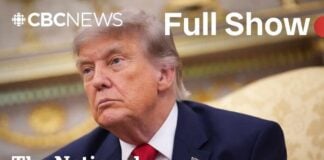
China has accused President Trump’s administration of deliberately sabotaging bilateral trade negotiations by targeting Huawei’s advanced AI chips, marking a dangerous escalation in the tech cold war that threatens global semiconductor supply chains.
Key Takeaways
- China claims US threats regarding Huawei’s Ascend AI chips violate recent Geneva consensus and undermine trade talks
- The US Commerce Department revised its original guidance but maintained that using Chinese advanced computing ICs presents significant risks
- Beijing warns that continued US restrictions will harm global semiconductor supply chains and innovation
- The dispute highlights the intensifying battle for technological supremacy between the world’s two largest economies
- Nvidia is strengthening partnerships in Taiwan, potentially benefiting from US restrictions on Chinese technology
China Accuses US of Undermining Trade Negotiations
Chinese officials have condemned the Trump administration for issuing warnings against Huawei’s advanced Ascend AI chips, claiming these actions violate the consensus reached during recent high-level trade talks in Geneva. The dispute centers on guidance from the US Commerce Department suggesting that using Huawei’s chips could breach US export controls. Beijing views this move as a deliberate attempt to derail trade negotiations and maintain America’s technological dominance by restricting China’s advancement in the crucial semiconductor industry.
“Negotiated and communicated with the US at all levels through the China-US economic and trade consultation mechanism, pointing out that the US’s actions seriously undermined the consensus reached at the high-level talks between China and the US in Geneva,” Beijing stated in its official response to the situation.
The controversy intensified when the US Commerce Department initially included language suggesting that using Huawei Ascend chips “anywhere in the world” would violate export controls. Following Chinese protests, the department revised its guidance, removing the global reference but still emphasizing “the potential consequences of allowing US AI chips to be used for training and inference of Chinese AI models.” Despite this modification, Chinese officials maintain that the US position remains discriminatory and harmful to international trade.
Technological Containment Strategy
President Trump’s administration has consistently implemented policies aimed at restricting China’s access to cutting-edge semiconductor technology. These measures are part of a broader strategy to maintain US technological supremacy and prevent China from achieving independence in critical industries. Chinese commerce officials have strongly criticized this approach, warning that such protectionist practices ultimately harm global innovation and supply chains while potentially weakening America’s own industrial competitiveness in the long run.
“Tripping others won’t make you run faster,” a spokesperson for China’s Ministry of Commerce (MOFCOM) pointedly remarked, suggesting that US efforts to contain Chinese technological development are counterproductive.
Chinese officials have urged the US to abandon what they describe as discriminatory practices targeting Chinese companies and to honor commitments made during the Geneva talks. The Foreign Ministry has specifically criticized the administration for “overstretching national security concepts” to justify restrictions and vowed to take necessary measures to protect Chinese interests and development rights. This standoff highlights the increasingly confrontational nature of US-China relations in the technological sphere.
Regional Implications and Strategic Realignments
The ongoing technology dispute between the US and China is creating significant ripple effects throughout Asia’s tech ecosystem. At Computex, Asia’s largest technology event, the geography of chip manufacturing has emerged as a central topic of discussion. Taiwan, in particular, appears positioned to benefit from the growing technological decoupling between the United States and mainland China, with companies like Nvidia seeking to strengthen partnerships with Taiwanese manufacturers.
The situation illustrates how US restrictions on Chinese technology companies are reshaping global supply chains and strategic alliances in the semiconductor industry. While President Trump’s administration continues to implement policies designed to prevent China from achieving technological parity in advanced computing, these actions are simultaneously accelerating Beijing’s determination to develop indigenous capabilities and reduce dependence on foreign technology, creating a high-stakes technological arms race with profound implications for global trade and security.