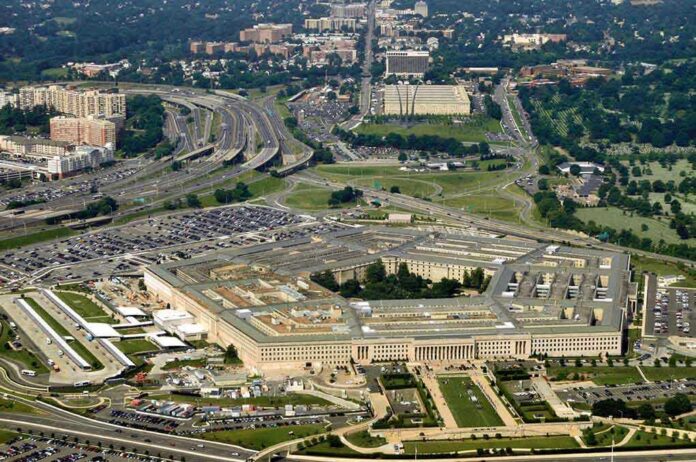
A significant change in Pentagon operations sees the removal of Chinese nationals from cloud system services, addressing national security concerns.
Story Snapshot
- Chinese nationals are no longer servicing Pentagon’s cloud systems.
- This decision prioritizes U.S. national security over international outsourcing.
- Defense Secretary Pete Hegseth emphasized the importance of domestic control.
- Industry and security experts express varied reactions to the move.
National Security Overhaul at the Pentagon
The recent announcement by Defense Secretary Pete Hegseth marks a pivotal move in prioritizing national security. Chinese nationals have been removed from servicing the Pentagon’s cloud systems, a decision driven by the need to safeguard sensitive data from foreign influence. This shift aligns with the Trump administration’s focus on reducing foreign dependencies, particularly in critical sectors like defense. The policy underscores the administration’s commitment to protecting national interests amid growing global tensions.
While the decision has been applauded by those advocating for stricter security measures, it also raises concerns about the potential impact on cloud operations. The removal of Chinese personnel could lead to transitional challenges as the Pentagon restructures its staffing to fill the void left by these experts. However, proponents argue that the long-term benefits of enhanced security outweigh the short-term disruptions. The move is seen as a proactive step in strengthening the integrity of U.S. defense infrastructure.
Implications for Defense Contractors
Defense contractors, who have been accustomed to leveraging international talent pools, now face the challenge of adapting to these new constraints. The Pentagon’s decision necessitates a reevaluation of hiring practices and may require increased investment in domestic talent development. This shift could also influence the broader defense industry, prompting other sectors to reconsider their reliance on foreign expertise for critical operations. Critics caution against potential cost increases and delays, while supporters highlight the strategic importance of maintaining control over national defense systems.
Secretary Hegseth’s announcement is part of a broader strategy to align defense procurement practices with national security priorities. As the Pentagon seeks to enhance its operational readiness, the focus on domestic control is expected to extend to other areas of defense contracting. This approach reflects a growing recognition of the need to balance efficiency with security in an increasingly interconnected world.
Expert Opinions and Industry Reactions
Industry experts have offered mixed reactions to the Pentagon’s decision. Some view it as a necessary measure to ensure the integrity of defense systems, while others warn of the potential for increased costs and operational challenges. Legal and defense scholars note the historical tension between national security priorities and the practicalities of globalized operations. The move has sparked debate about the balance between leveraging international expertise and safeguarding sensitive information.
In the political arena, the decision has been met with support from conservative lawmakers who advocate for stringent measures to protect U.S. interests. The emphasis on security-first policies aligns with broader efforts to reform defense procurement practices, ensuring that national security remains at the forefront of decision-making processes. As the discourse continues, the Pentagon’s actions may set a precedent for other government agencies to follow suit in prioritizing domestic capabilities over international outsourcing.
Sources:
Contractors oppose the right-to-repair mandate proposed under NDAA 2025
Pentagon leaders say the budget process hurts national security—they’re right