A shocking morgue incident exposes critical flaws in death pronouncement protocols, raising urgent questions about trust and accountability in American healthcare.
Story Snapshot
- A ‘deceased’ man began breathing in a morgue, stunning relatives and staff.
- This rare error highlights dangerous gaps in medical and legal procedures for declaring death.
- Most such cases involve vulnerable elderly or terminally ill individuals.
- Experts and officials call for stricter protocols and improved technology to prevent future mistakes.
Rare Morgue Incident Reveals Systemic Vulnerabilities
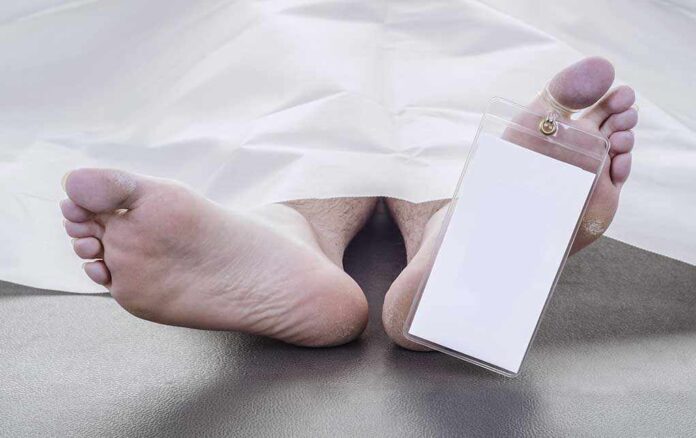
Relatives at a morgue were shocked when their loved one, previously declared dead by medical professionals, suddenly began breathing. This rare event typically occurs with elderly or terminally ill patients, whose complex health conditions make accurate death pronouncement challenging. After the body was transported for funeral preparations, staff or family noticed signs of life, prompting emergency intervention. Despite rapid medical response, such individuals often survive only briefly after resuscitation, highlighting the profound emotional trauma and procedural confusion for families.
Historical Context and Precedents of Mistaken Death Pronouncements
Cases of mistaken death declarations, sometimes called “premature burial” or “Lazarus syndrome,” have been documented for centuries. Modern medicine has greatly reduced these incidents, but rare cases still occur due to human error, unusual medical presentations, or rare phenomena like auto-resuscitation. Notable recent incidents include a Michigan woman found breathing in a funeral home in 2020 and a Nebraska woman revived briefly in 2023. These events often happen in nursing homes or hospices where immediate medical oversight may be lacking, increasing the risk of error and complicating legal and emotional outcomes for families and institutions.
Stakeholder Responsibilities and Investigative Responses
The primary individuals involved in these incidents include the patient, family members, medical professionals, and funeral staff. Medical personnel bear the responsibility of accurate death pronouncement, while families depend on their expertise for closure and support. Funeral home staff must follow strict legal and ethical protocols. When errors occur, law enforcement and coroners investigate to determine if established procedures were followed or if negligence is present. These investigations can lead to policy reviews, disciplinary actions, or changes in protocols, underscoring the need for accountability and public trust in end-of-life care.
Impact on Families, Healthcare, and Policy Reform
Immediate impacts include intense emotional trauma for families, potential legal liability for medical staff, and a broader erosion of trust in healthcare institutions. These incidents trigger calls for stricter protocols, better training, and technological solutions to confirm death reliably, such as mandatory waiting periods before embalming or enhanced monitoring equipment. Lawsuits and media coverage can prompt legislative changes, increased scrutiny of end-of-life procedures, and drive reforms in hospice and nursing home standards. The public demands transparency and accountability to prevent similar incidents and protect vulnerable populations.
Dead man's corpse comes back to life as family 'notice him breathing' in morguehttps://t.co/JjeI0ff8Gi
— The Mirror (@DailyMirror) September 10, 2025
Expert Perspectives: Caution, Technology, and Ethical Imperatives
Medical ethicists and forensic pathologists emphasize humility and caution in death pronouncements, especially outside hospital settings. Scholars argue for standardized national protocols and warn against procedural complacency. Some experts advocate mandatory waiting periods before embalming, while others recommend increased use of technology like EEGs and ECGs for confirming death. The consensus among professionals is clear: rigorous verification, improved oversight, and continuous professional training are essential to prevent future tragedies and restore public confidence in the system.
Sources:
She Was Pronounced Dead—Then They Found Her Gasping for Air
Summary Incident: Migrant Medical Distress Dies After Calling 911