

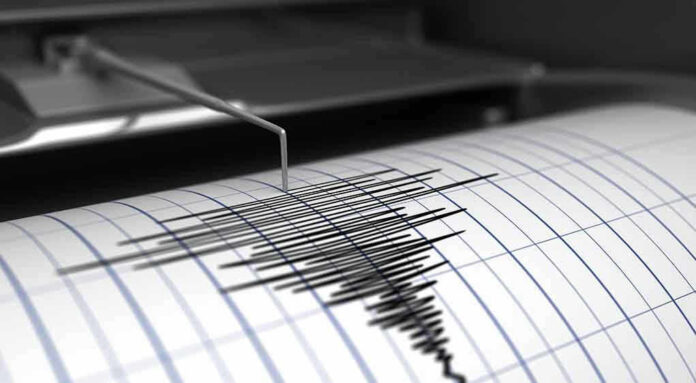
A powerful earthquake in Japan threatens coastal safety, testing preparedness and emergency systems.
Story Highlights
- A 7.2-magnitude earthquake struck off Japan’s northeastern coast.
- A tsunami advisory was issued, urging coastal evacuations.
- Authorities are assessing damage and infrastructure stability.
- The earthquake’s location is historically significant for seismic activity.
Seismic Event Shakes Japan’s Coastline
A major seismic event has once again reminded the world of Japan’s precarious position along the Pacific “Ring of Fire.” On December 8, 2025, a 7.2-magnitude earthquake struck off the northeastern coast of Japan, prompting authorities to issue a tsunami advisory for parts of the Pacific coast. This advisory urged residents in low-lying areas to evacuate to higher ground, highlighting the immediate threat to human safety and infrastructure stability.
Early reports indicated strong tremors and aftershocks, leading to disruptions in transport services as operators conducted safety checks. Emergency services swiftly began damage assessments and infrastructure checks to ensure public safety. The rapid response underscores Japan’s commitment to disaster preparedness, a lesson learned from past catastrophic events like the 2011 Tōhoku earthquake and tsunami.
Japan’s Advanced Warning Systems Put to the Test
The Japan Meteorological Agency (JMA) acted promptly by detecting the earthquake and issuing a tsunami advisory. This quick response is a testament to the advanced early-warning systems that Japan has developed over the years. These systems, which include seismic and tsunami monitoring networks and community evacuation plans, are designed to mitigate the risks posed by Japan’s seismic activity. The effectiveness of these measures is critical in preventing casualties and minimizing damage.
Japan’s northeastern coast, which includes prefectures such as Miyagi and Fukushima, is particularly vulnerable due to its proximity to tectonic plate boundaries. The region is home to industrial zones and critical infrastructure, making rapid safety checks essential following such a significant seismic event. The ongoing assessment of infrastructure and transport systems will determine the extent of the impact on local communities and industries.
Historical Context and Future Implications
This earthquake serves as a stark reminder of Japan’s seismic history. The northeastern coast has experienced devastating tsunamis in the past, notably the 2011 disaster. Such events have driven significant improvements in Japan’s disaster management protocols and infrastructure resilience. However, each new seismic event tests these systems and provides valuable data for further refinement.
The long-term implications of this earthquake will likely include a renewed focus on community preparedness and infrastructure resilience. Authorities may reassess the performance of seawalls and evacuation routes to ensure they meet the highest safety standards. The ongoing analysis by seismologists will contribute to understanding stress transfer along the Japan Trench, informing future preparedness strategies.
Sources:
7.2-magnitude earthquake strikes off Japan’s coast, triggers tsunami alert