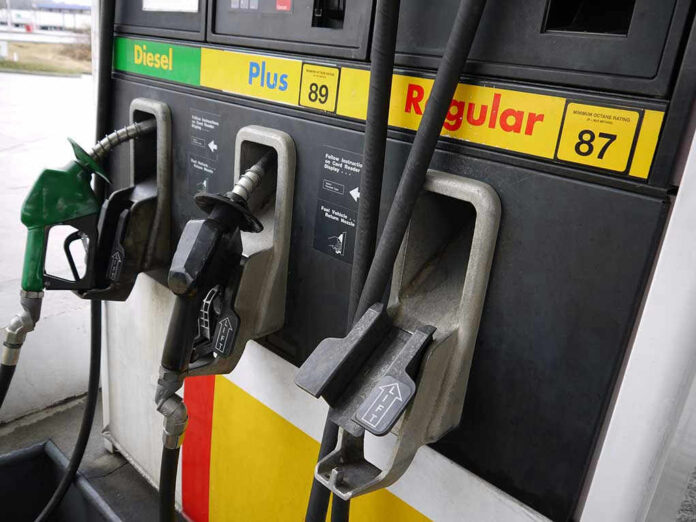
As Newsom champions California’s climate record on the world stage, residents back home are stuck paying the nation’s highest gas prices—a tradeoff that exposes the real cost of progressive agendas.
Story Snapshot
- Governor Gavin Newsom touts California’s climate leadership abroad while local families shoulder soaring fuel costs.
- California’s aggressive climate policies drive up gas prices, straining household budgets and sparking debate over economic priorities.
- International partnerships at COP30 may enhance Newsom’s political profile but do little to ease burdens on California’s working class.
- Experts question whether the state’s global advocacy justifies persistent economic pain for residents.
Newsom’s Global Climate Push and the Price Paid by Californians
Governor Gavin Newsom is leading California’s delegation at COP30 in Belém, Brazil, where he has signed a series of international agreements with countries like Brazil, Colombia, Chile, Nigeria, Denmark, and Kenya. These new partnerships focus on carbon pricing, clean transportation, and methane reduction, positioning California as a global example for climate action. Yet, while Newsom is celebrated abroad, families and businesses back home continue to pay the highest gasoline prices in America, raising tough questions about who benefits from these policies and who shoulders their costs.
California’s rise as a subnational climate powerhouse is rooted in decades of environmental regulation, but the latest wave of legislation under Newsom’s leadership has accelerated the transition to clean energy and carbon management. The state’s economy, now the fourth largest in the world, provides Newsom with a platform to influence global climate negotiations even as the federal government under President Trump pursues a different course. However, these pioneering efforts come at a steep price for ordinary Californians, whose wallets are hit hardest by regulatory-driven fuel costs and new taxes.
Economic Pressures and Local Backlash
As Newsom signs new climate MOUs on foreign soil, California residents are left paying the bill, literally and figuratively. High taxes, stringent fuel regulations, and supply constraints contribute to state gas prices that far exceed the national average. Working families and small businesses feel the squeeze daily, with many questioning whether ambitious environmental goals justify the resulting economic sacrifices. Critics argue that the focus on global partnerships is a distraction from the real needs of constituents struggling to afford basic transportation and energy.
California’s policies, including expanded cap-and-trade, carbon management mandates, and renewed clean energy targets, are touted as models for international adoption. Yet, these measures impose significant compliance costs on local industries and consumers. The oil and gas sector, vital to the state’s economy, faces mounting regulations, while emerging clean tech sectors benefit from government incentives. The political risk for Newsom is clear: as the economic burden grows, public support for aggressive climate action may wane, especially among those least able to absorb higher living expenses.
International Image vs. Domestic Reality
At COP30, Newsom has positioned California as a reliable partner in global climate efforts, often criticizing what he calls a retreat from climate leadership at the federal level. His administration touts a 21% reduction in greenhouse gas emissions since 2000 and robust growth in clean energy and battery storage. However, experts and residents alike highlight the disconnect between California’s international image and the on-the-ground reality for those who must budget for every gallon of fuel. The state’s approach is hailed as innovative by supporters, but its economic and political sustainability remains a growing concern for critics and working Californians.
Newsom pushes climate record abroad as Californians shoulder America’s highest gas costs https://t.co/dVQOZz0pyo
— Fox News Politics (@foxnewspolitics) November 14, 2025
While Newsom’s climate diplomacy may enhance his profile on the world stage, it does little to address the immediate struggles faced by his constituents. The debate intensifies: should California serve as a laboratory for ambitious global policy at the expense of its own citizens’ economic well-being? As other states and the federal government chart different courses, the Golden State’s path reflects the broader national divide over how to balance environmental stewardship with economic security and individual freedom.
Sources:
Climate Change Package Legislature