A fatal broad-daylight shooting in the Bronx exposes how years of failed soft-on-crime approaches and lax border enforcement are fueling community fear while dangerous criminals remain on the streets.
Story Snapshot
- 32-year-old Clay Monsanto was fatally shot outside his Bronx home in daylight; the suspect is still at large.
- This attack is part of a surge in daytime violence, despite official claims that shootings have declined in 2025.
- Local residents are losing trust in public safety, some considering leaving the neighborhood due to repeated violent incidents.
- Ongoing NYPD investigations highlight the growing challenge of illegal firearms and repeat offenders in New York communities.
Daylight Killing Shakes the Bronx Amid Ongoing Violence
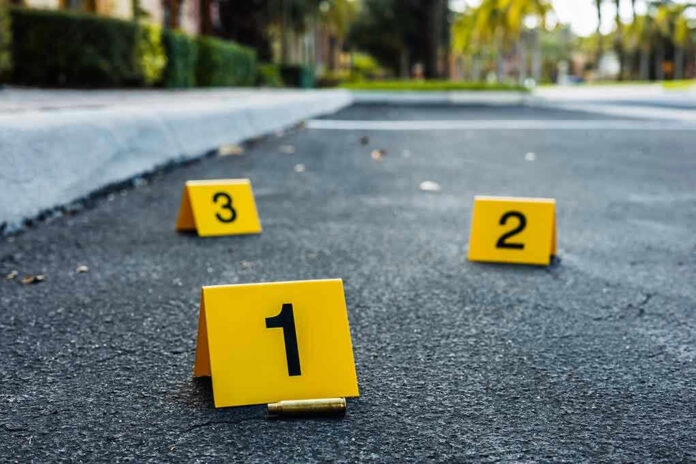
On the morning of August 26, 2025, a 32-year-old man, Clay Monsanto, was shot in the back outside his apartment on Anthony Avenue near Mount Hope Place in the Tremont section of the Bronx. The incident occurred between 8:10 and 8:15 a.m., catching the community off guard during typically safe hours. The victim was transported to St. Barnabas Hospital, where he was pronounced dead. The shooter, described as a man around 50 years old, remains unidentified and at large, as police continue their search for answers and leads.
The daylight timing of this attack has amplified concerns among local residents, who now question their safety even during everyday routines. The NYPD released surveillance video and a description of the suspect later that day, urging the public to help in identifying the individual responsible. This incident is just one among several shootings reported in the Bronx within the same day, pointing to a disturbing pattern of violence that official statistics alone fail to capture. Despite NYPD claims of declining overall shootings and murders in 2025 compared to last year, the lived experience of residents tells a different story, with heightened anxiety and fear gripping the community.
Historical Patterns and Policy Failures Fueling Crime
The Bronx has long faced challenges with illegal firearms and gang activity, but the recent wave of violence underscores the failures of past policies that prioritized leniency over accountability. Over the past decade, progressive leadership in New York and beyond pushed for policies that reduced police funding, limited proactive policing, and weakened penalties for repeat offenders. These measures, often justified as reforms, left law enforcement struggling to keep up with rising crime and emboldened criminals who operate with little fear of consequences. Residents are now paying the price, as broad-daylight attacks make it clear that old approaches have not delivered on promises of safer neighborhoods.
Efforts to curb gun violence have included increased police presence and community outreach, yet these have been undermined by ongoing illegal immigration and the steady flow of unregistered firearms. The Bronx’s densely populated neighborhoods, with a mix of apartment buildings and public housing, have become fertile ground for criminals who exploit lax enforcement and insufficient support for police. Recent years have seen clusters of violence that not only shatter families but also erode the sense of security that every law-abiding American deserves.
Community Impact and Erosion of Trust
The aftermath of these shootings is felt far beyond the immediate victims. Families mourn loved ones, while neighbors grapple with trauma and the constant threat of violence. Some residents, frustrated by persistent danger and a lack of meaningful change, are considering moving out of the area altogether. This trend threatens to destabilize communities, reduce property values, and drive away families who once called these neighborhoods home. As trust in law enforcement and government officials wears thin, there is growing pressure on city leaders to abandon failed progressive experiments and return to proven strategies that prioritize public safety, uphold the rule of law, and defend the rights of law-abiding citizens.
Local businesses and schools also suffer as parents keep children indoors and customers avoid areas perceived as unsafe. The long-term effects include economic decline and increased demand for social services, creating a vicious cycle that is difficult to break. Law enforcement experts warn that high-profile attacks like this one undermine confidence in official crime statistics, while community advocates call for a return to practical, results-driven policing that puts families first and restores order to America’s cities.
Calls for Action and the Path Forward
As the investigation continues, the NYPD has called for public assistance in identifying the shooter, but the underlying problems require much more than community tips. Restoring order will demand a decisive break from failed soft-on-crime policies and a renewed commitment to enforcing existing laws, supporting law enforcement, and securing the border to stop the flow of illegal weapons and offenders. While progressive leaders tout declining crime rates, the reality on the ground shows that many Americans do not feel any safer in their own neighborhoods.
The Trump administration, now in its second term, faces the challenge of reversing years of damage inflicted by “woke” policies and government overreach. Conservatives are demanding accountability, constitutional protections, and real solutions that put American families ahead of political agendas. Only by addressing the root causes of violence and empowering police to do their jobs can communities like the Bronx hope to reclaim their streets and restore trust in public safety.
Sources:
2 dead among 4 shot in 7-hour, broad-daylight stretch of violence in the Bronx: cops
Victim in deadly Tremont shooting identified
2 killed in Bronx shootings near their homes; no arrests yet, NYPD says
Man shot in back, killed Bronx