The former Biden administration’s reckless policy vacuum in Syria has culminated in a desperate scramble to relocate up to 7,000 ISIS terrorists from crumbling detention facilities, exposing how years of neglect created a powder keg that now threatens American security.
Story Snapshot
- U.S. Central Command initiated emergency transfers of up to 7,000 ISIS detainees from Syria to Iraq on January 21, 2026, after Kurdish forces abandoned key detention sites amid violent clashes with Syria’s new government
- The mass relocation followed the SDF’s withdrawal from al-Hol camp housing 24,000 residents including 6,500 hardcore ISIS supporters, signaling catastrophic security failures in northeastern Syria
- Recent prison breaks at al-Shaddadi and escalating combat near 27 ISIS detention facilities forced the Trump administration to act where Biden failed, preventing potential large-scale terrorist escapes
- Iraq’s judiciary announced immediate legal proceedings against all transferred fighters, taking responsibility the previous administration avoided for years
Syria’s Detention System Collapses Under Biden’s Failed Strategy
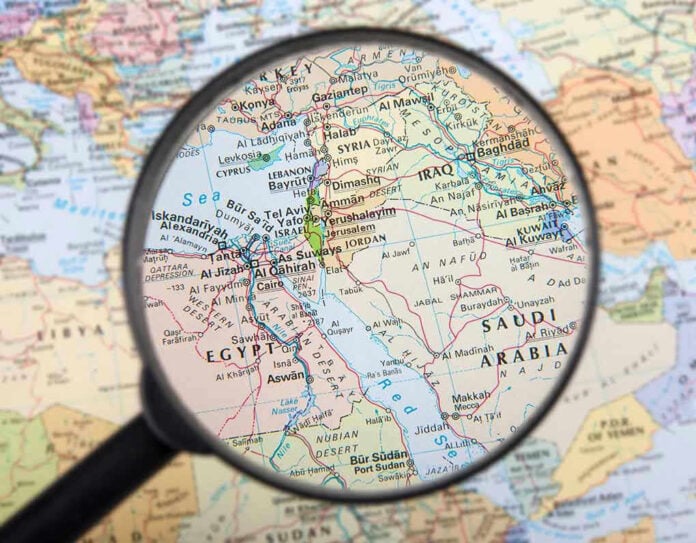
U.S. Central Command announced January 21 the launch of an emergency mission transferring ISIS detainees from northeastern Syria to secure Iraqi facilities, beginning with 150 fighters from Hasakah. Admiral Brad Cooper confirmed up to 7,000 terrorists could be relocated as Syrian government forces clash with Kurdish-led Syrian Democratic Forces across former detention zones. The operation exposes years of Biden-era negligence that left America’s Kurdish partners holding thousands of dangerous extremists without international support or long-term solutions, creating conditions ripe for mass breakouts.
Kurdish Forces Abandon Critical Terror Detention Sites
The SDF withdrew from al-Hol camp on January 20, citing “international indifference” after holding approximately 24,000 ISIS-affiliated individuals, including 6,500 committed supporters, for years without adequate resources. Syrian interim government forces immediately seized control of the sprawling facility and 26 other ISIS prisons and camps east of the Euphrates River. The abandonment followed escalating combat near Aleppo and recent escapes from al-Shaddadi prison in Hasakah province. This collapse directly results from the Biden administration’s failure to develop repatriation strategies or burden-sharing agreements with European allies whose citizens fill these camps.
Trump Administration Forces Accountability After Years of Drift
The transfers mark a decisive policy shift from relying on America’s overburdened Kurdish partners to establishing clear judicial accountability in Iraq. U.S. Envoy Tom Barrack stated the SDF’s anti-ISIS detention role has “expired,” meeting with Kurdish leadership in Erbil on January 22 to coordinate integration into Syria’s new political structure. Iraq’s Supreme Judicial Council confirmed receipt of the initial 150 detainees and announced immediate legal proceedings regardless of nationality. This represents tangible progress toward resolving a detention crisis Biden ignored, though experts warn the rapid relocation strains logistics and may inadvertently empower Iran-backed Iraqi militias seeking to justify their presence.
Security Risks Escalate as Regional Chaos Intensifies
The emergency evacuation underscores how Assad’s late 2024 ouster created a security vacuum the outgoing administration failed to address. Fighting between Syrian forces and SDF throughout January 2026 placed 27 detention facilities at immediate risk, with recent Hasakah prison breaks demonstrating extremists’ capability to exploit instability. Retired Colonel Myles Caggins, former Coalition spokesman, characterized the transfers as reflecting diminished confidence in Syria’s interim government to maintain control. While CENTCOM emphasizes preventing threats to U.S. and regional security, the Foundation for Defense of Democracies notes the operation exposes the fragile ceasefire’s fundamental weakness and questions whether Iraqi facilities can permanently contain these battle-hardened terrorists.
The Trump administration inherited a Middle East tinderbox ignited by years of strategic indecision and withdrawal from leadership. Over 300 ISIS operatives were detained and more than 20 killed by U.S. partners in 2025 alone, proving the terror network remains active despite territorial defeat in 2019. The current transfers prevent immediate catastrophe but highlight broader failures: Western nations refused to repatriate their citizens from detention camps, Kurdish forces shouldered impossible burdens without sustainable international commitment, and no comprehensive plan existed for prosecuting or permanently securing thousands of dangerous extremists. Iraq’s willingness to assume judicial responsibility offers partial solution, yet concerns remain about militia exploitation and long-term facility security. This crisis demands what Biden never provided—honest assessment of counterterrorism costs and decisive action protecting American interests without endless regional entanglement.
Sources:
ISIS prisoners to be moved from Syria to Iraq, CENTCOM says
US forces launch mission in Syria to transfer ISIS detainees to Iraq
US Forces Launch Mission in Syria to Transfer ISIS Detainees to Iraq
Transfer of ISIS Prisoners to Iraq Exposes Fragile Nature of Ceasefire in Syria
Iraq says it will start legal proceedings against ISIS detainees moved from Syria