
Neighbors in Warren say a once-quiet church turned mosque reshaped their block overnight, while Dearborn leaders celebrate the same change as a civic strength.
Story Snapshot
- Residents tie traffic, parking, and noise to a former church’s conversion into the Al Ihsaan Islamic Center.
- Warren officials say most cars were legally parked and many noise complaints fell outside enforceable hours.
- Citywide crashes rose about 13% from 2010 to 2024, but no link to mosques is proven.
- Dearborn leaders argue diversity brings economic and cultural benefits, not disorder.
What sparked Warren’s neighborhood fight
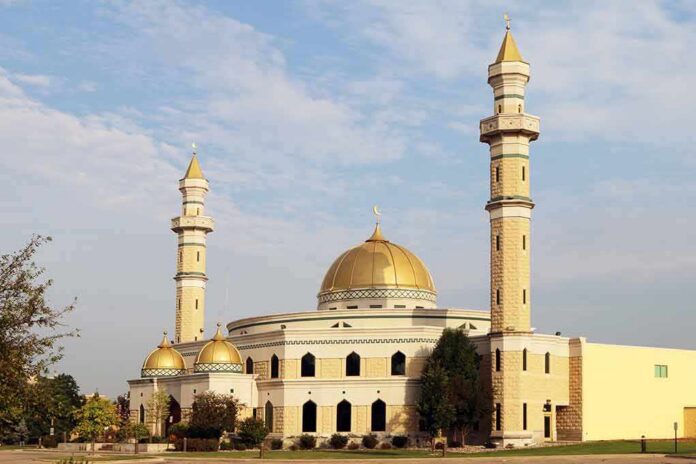
Warren residents told reporters that the sale of an 80-year-old church and its conversion into the Al Ihsaan Islamic Center changed daily life on nearby streets. They linked Friday prayers and holidays to tight parking, blocked driveways, and heavier traffic. Named neighbors described feeling pushed out and worried their city would become the “next Dearborn”. Their concerns center on land use and local control more than theology, with parking and traffic at the core of the dispute.
Residents also pointed to a separate bid to turn a residential home into a mosque. Warren’s City Council rejected that proposal after a zoning fight, which some neighbors saw as a needed boundary for dense blocks. Others warned that repeated denials can cross legal lines if standards are not neutral. The Religious Land Use and Institutionalized Persons Act limits cities from burdening worship unfairly, a law the Department of Justice has used in several mosque disputes.
What the data and police say—and what they don’t
Citywide crash data shows 4,086 crashes in 2024 versus 3,607 in 2010, a rise of about 13%. That number is not tied to any one site, street, or prayer hour. It cannot prove mosques caused the change. Police statements reported that officers often found cars legally parked, even when volume was high, and that many noise complaints happened during daytime hours outside general restrictions. Those facts qualify the harshest claims, but they do not answer all location-specific questions.
The gap between feelings and facts is wide. The reports do not include a call-for-service log by address, a record of towing or citations near prayer times, or a crash map tied to mosque openings. Without those records, people look to what they see on their block and to headlines that confirm it. That is how land-use fights can harden into identity fights. National outlets then repeat the same interviews instead of adding hard numbers.
Dearborn’s contrasting case for belonging
Dearborn leaders, residents, and business owners framed the same trend as a civic asset. They said Arab and Muslim communities fuel small business growth, add culture, and invest in neighborhoods. Mayor Abdullah Hammoud said Dearborn’s large Arab American share is a local trait to celebrate, like any city’s heritage cluster, and that people of all faiths or no faith are welcome. That message aims to lower the heat and separate planning rules from fears about who lives next door.
Dearborn’s defenders also argue the city treats residents fairly and does not favor one faith over another. They say criticism follows its welcoming stance more than any special perks. That claim challenges charges of bias but does not settle Warren’s parking or traffic issues. It does, however, show a path: enforce clear, neutral rules for all institutions and publish the data so both sides can see the same record.
What would settle the argument
Warren can calm this fight with proof, not press. The city should release five years of calls, citations, towing, and noise complaints by block around the named sites. It should map crashes and traffic speeds before and after openings and compare them with similar streets. If Friday noon creates a crunch, set event traffic plans and add lawful overflow parking. If rules were broken, enforce them evenly. If not, say so with the numbers.
Why it matters beyond one block
Across the country, mosque projects often face zoning hurdles framed as parking or traffic. Federal reviews show a rise in such cases since 2010, and courts have forced cities to allow projects when rules were not applied fairly. Communities can protect safety and order without targeting a faith. They can do that by posting the standards, measuring the impact, and sharing the results in plain view. That builds trust when leaders feel distant and people fear being ignored.
Sources:
facebook.com, sg.headtopics.com, foxnews.com, news.ssbcrack.com, foxbangor.com, theyeshivaworld.com, yahoo.com, dailymail.com, usccr.gov, michiganpublic.org, freep.com, abcnews4.com, ground.news, en.wikipedia.org
© newsworthy.news 2026. All rights reserved.