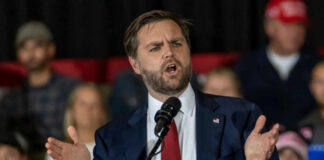

Enes Kanter Freedom says he will expose how deep the National Basketball Association’s business ties to China run—while pointing to past bans and silence as proof the money matters more than free speech.
Story Snapshot
- The National Basketball Association built a major digital deal with Tencent through 2024-25, marking China as its top overseas partner.
- After Enes Kanter Freedom criticized China in 2021, Tencent pulled Boston Celtics game streams in China.
- Commissioner Adam Silver has said the league protects free speech, even with business costs in China.
- Scholars say China’s market power pushes firms toward self-censorship across global sports.
Kanter’s Warning And The Track Record In China
Enes Kanter Freedom told audiences he plans new steps to expose the National Basketball Association’s business in China. His claim rests on a pattern he has lived. In October 2021, he posted messages supporting Tibet. Soon after, Chinese tech giant Tencent stopped streaming Boston Celtics games in China, cutting off millions of viewers. That swift move reinforced why Kanter argues big markets can mute speech. It showed how fast access can vanish when politics cross a red line.
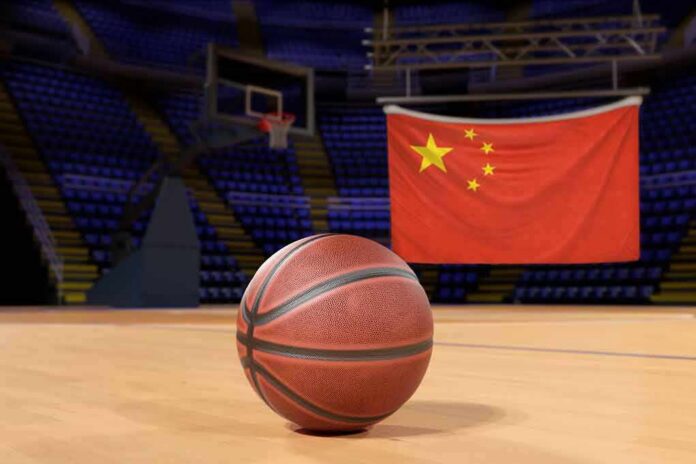
The National Basketball Association’s footprint in China has been large for years. In 2019, the league announced a five-year expansion with Tencent, its largest partner outside the United States, to stream games and build digital content through the 2024-25 season. The deal promised live games, highlights, and new fan tools across Tencent platforms. That scale explains why China matters to the league. It also explains why any conflict over speech draws high financial stakes.
Free Speech Promises And Real-World Consequences
National Basketball Association Commissioner Adam Silver has said the league defends employee speech, even when it angers powerful partners. During the 2019 dispute over then Houston Rockets executive Daryl Morey’s post backing Hong Kong protesters, Silver said Morey had the right to speak and the league would not apologize for that. Chinese authorities then restricted broadcasts, showing real costs tied to speech. Silver acknowledged those costs and said the league would live with them, not punish Morey.
These statements present a tension at the heart of Kanter’s charge. On paper, the league says it will not police views on political issues. In practice, foreign partners can punish the content pipeline fast. When Tencent pulled Celtics streams after Kanter’s Tibet posts, it did not come from a National Basketball Association ban. It came from the platform that carried the product in China. The outcome looked the same to fans: silence on screen and business lost overnight.
The Bigger Pattern: Market Power And Soft Censorship
Researchers who track global business and speech describe a broader pattern. They find large, centralized markets can shape what companies say abroad by using access as leverage. Sports leagues, movie studios, and brands sometimes change messages, avoid topics, or accept outside edits to keep doors open. Studies of the National Basketball Association’s China conflict call this “exporting censorship” through size and pressure, which often leads to self-censorship before a ban even lands.
“They have no idea what’s coming.”
Enes Kanter Freedom hints at his next move against the NBA while criticizing its financial ties to China. pic.twitter.com/hLS4drqwTc
— NEWSMAX (@NEWSMAX) October 29, 2026
The National Basketball Association’s China saga shows how that pressure plays out in steps. First, a public statement triggers outrage. Next, broadcasters or sponsors pause or pull deals. Finally, everyone weighs money against values in real time. In 2019, state and private partners in China responded to Morey’s post with suspensions and anger. The league said it would stand by free speech anyway. In 2021, Kanter’s Tibet posts again met a streaming blackout in China. Each flashpoint fed a cycle of fear and caution.
Why This Matters To Fans Across The Aisle
Many Americans, left and right, worry that powerful institutions bend to foreign pressure. They see one set of rules for elites and another for regular people. The National Basketball Association’s China ties hit that nerve. Fans want honest values, not double standards. Silver’s words promise free speech. China’s reaction delivers pain. Kanter’s vow to expose more will test how far the league will go to keep its message free when access and money are on the line.
Sources:
youtube.com, static.www.tencent.com, cnn.com, cbsnews.com, cnbc.com, nba.com
© newsworthy.news 2026. All rights reserved.