
The White House opened the door to far more Argentine beef while a shipment slipped past required checks and landed in U.S. kitchens.
Story Snapshot
- President Trump expanded Argentina’s tariff-rate beef quota in February and again in August 2026.
- A recalled shipment of nearly 30,000 pounds entered without required U.S. reinspection.
- The administration says the goal is cheaper ground beef through added lean trimmings.
- Evidence of farm bankruptcies or unsafe meat is not established in the public record.
What Changed In U.S. Policy Toward Argentine Beef
On February 6, 2026, President Trump signed a proclamation that added 80,000 metric tons of in-quota access for Argentine beef trimmings. The White House assigned the entire increase to Argentina and said it would be released quarterly on a first-come, first-served basis to help hold down prices for consumers. Reuters reported the move let more Argentine beef enter at a reduced duty rate, which lowers costs for importers and, in theory, retail prices.
On August 26, 2026, the administration went further and raised the in-quota quantity again by 300,000 metric tons for calendar year 2026. The White House said the added volume applies to lean beef trimmings and would be administered in timed tranches, citing inadequate domestic supply as the legal basis. The official goal stayed the same: boost supply so ground beef costs less for families who are still battling higher grocery bills.
What Went Wrong At The Border And Why It Matters
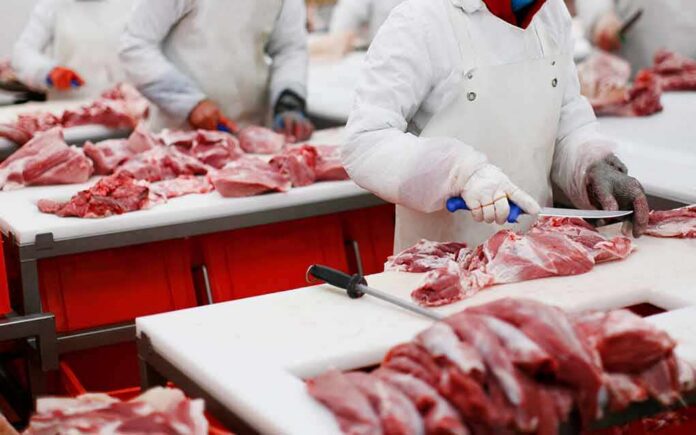
Amid the quota expansion, the United States Department of Agriculture’s Food Safety and Inspection Service recalled 29,628 pounds of Argentine raw beef. The agency said the product entered the country without the required import reinspection step that confirms paperwork and spot-checks safety before release. The recall notice said the meat had already been distributed in Texas and Florida, which means some consumers may have bought or stored it.
Bloomberg and the Washington Post noted that officials did not link the lots to any illnesses. The problem was a process failure, not confirmed contamination. That still matters because import checks are supposed to be the last barrier before food moves into stores and restaurants. The recall listed dates, companies, and labels, giving the public traceable facts. That paper trail helps accountability if more questions arise about how the shipment cleared entry without the final review.
How Supporters And Critics Frame The Stakes
The White House argues the expansions help families who are paying more for burgers and tacos. Lean trimmings blend with fattier domestic beef to make ground beef at scale, so added supply can ease pressure on prices when the cattle herd is tight. Reuters and CBS both summarized this goal as allowing more Argentine product in at lower duty rates to increase supply and ease price pressure. Industry critics counter that expanding imports, especially from a single country, can undercut U.S. ranchers and strain trust if oversight stumbles.
The cattle industry’s main trade group has warned in past statements that Argentina’s disease history warrants tough, up-to-date safeguards. That view underscores why a miss on reinspection alarms producers and shoppers alike. Still, the public record here does not show contaminated meat or any illness linked to the recalled lots. It also does not prove that the import increases caused rancher bankruptcies or a specific drop in cattle prices. Those are serious claims that require data the record does not provide.
What We Know, What We Don’t, And Why Both Sides Should Care
The record firmly shows two policy steps that made more Argentine lean beef trimmings eligible for lower tariffs in 2026, first by 80,000 metric tons and then by another 300,000 metric tons. It also shows a real enforcement failure that reached two large states. Those facts speak to a shared concern on the right and left: when government moves fast to change markets, basic guardrails must hold, or families shoulder the risk without a say.
Tucker, the U.S. cattle herd is at a 75-year low after years of drought and herd liquidation. Rebuilding it takes years Ranchers need to retain breeding stock, and today’s calves aren’t ready for slaughter. Temporary imports of lean beef trimmings can bridge that supply gap.…
— P. Black (@ispy_pp) August 31, 2026
Key gaps remain. The record does not reveal how much of the new quota was actually filled, what the precise price effect was at the meat case, or whether domestic ranchers saw measurable income loss tied to these imports. Customs entries, inspection logs, and market data would answer those questions. Until then, consumers and producers are left to trust a system that just showed a crack. That is exactly the kind of governance failure many Americans fear.
Sources:
youtube.com, snopes.com, whitehouse.gov, yahoo.com, reuters.com, washingtonpost.com, bloomberg.com
© newsworthy.news 2026. All rights reserved.