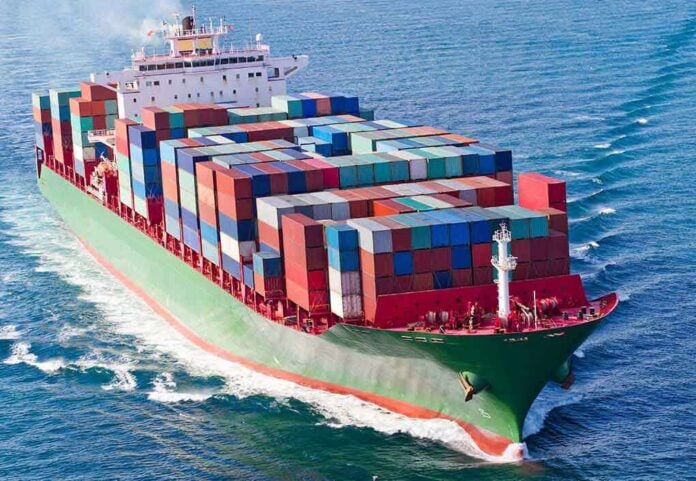
The Trump administration is now weighing a paid “VIP pass” system for oil tankers to get U.S. Navy escorts through the Strait of Hormuz — a bold idea that reveals just how dangerous and complicated the world’s most critical oil chokepoint has become.
Story Snapshot
- Trump ordered the Navy to escort oil tankers through the Strait of Hormuz “as soon as possible” and directed a federal agency to offer political risk insurance for Gulf shipping.
- The administration discussed charging fees for a “VIP pass” escort service, but few shipping companies have signed up so far.
- Energy Secretary Christopher Wright admitted the U.S. is “simply not ready” for escorts, with military assets still focused on destroying Iran’s offensive capabilities.
- The Navy’s top officer warned that full escort missions would “exceed” the Navy’s capacity in a contested strait filled with mines, missiles, and drones.
Trump’s Hormuz Pledge: What He Ordered
President Trump announced in early March that the U.S. Navy would escort oil tankers through the Strait of Hormuz “as soon as possible” if needed. He also ordered the U.S. International Development Finance Corporation to provide political risk insurance for all maritime trade in the Gulf at a “very reasonable price.” The goal was clear: keep global oil flowing and stop Iran from choking the world’s most critical energy corridor. About 30 percent of the world’s seaborne crude oil passes through the strait.
Trump called on other nations — including China, Japan, and South Korea — to help “police” the strait. His administration also discussed a fee-based “VIP pass” system, where shipping companies would pay for priority escorted passage through the waterway. According to Politico, officials raised this idea directly with industry representatives, though few companies have responded to the offer so far. [1]
The Gap Between Promise and Reality
Despite the strong words, administration officials quickly acknowledged the Navy was not ready to begin escorts. Energy Secretary Christopher Wright said on CNBC that escorts “can’t happen now” and pointed to the end of March as a possible start. He was blunt: “We’re simply not ready. All of our military assets right now are focused on destroying Iran’s offensive capabilities.” Treasury Secretary Scott Bessent echoed that escorts would begin “as soon as it is militarily possible.” [2]
Military experts described the operation as a two-step process. First, the U.S. needs to reduce Iran’s ability to attack ships — clearing out missiles, drones, and mines. Only then can the Navy safely move tankers through. A military analyst compared the second phase to a “mother duck with her little baby ducks,” with a Navy warship leading a group of commercial vessels through the narrow waterway. The strait is only about 21 miles wide at its tightest point, making it extremely dangerous in a war zone. [2]
Navy’s Top Officer Raises Red Flags
The Chief of Naval Operations, Admiral Daryl Caudle, told the Senate Appropriations Committee in May that running full escort missions would “exceed the capacity of the Navy to do that effectively.” He said the strait is too narrow and too dangerous when contested. “We’re going to have to get to a place that that strait is open with a generally accepted ceasefire before that can be turned on en masse,” Caudle said. His warning underscores how difficult the mission truly is. [15]
U.S. allies including France and Britain have proposed their own naval mission — focused on clearing mines and providing escorts — as a follow-up to the tentative U.S.-Iran ceasefire deal. Trump told French President Emmanuel Macron at the Group of Seven summit that he doesn’t see a need for “much help” because the strait is “going to be open.” Meanwhile, U.S. allies pledged to support “unconditional and unrestricted freedom of navigation” through the waterway. The situation remains fluid, and the stakes for global energy markets could not be higher. [16]
Sources:
[1] Web – Trump Administration Mulls Charging Fees for Naval Escort Through …
[2] Web – ‘VIP pass’: Trump administration mulling how to coax more oil tankers …
[15] YouTube – Iran-US War: US Navy Escorts Ships Through Strait Of Hormuz As …
[16] Web – Strait of Hormuz escort missions would ‘exceed’ Navy’s capacity …
© newsworthy.news 2026. All rights reserved.