Austin police officers who stopped a deadly, FBI-investigated terror attack now face a mandatory grand jury process that critics say treats split-second heroism like a potential crime.
Story Snapshot
- Three Austin officers who fatally shot the suspect in a March 1 Sixth Street attack are expected to go before a grand jury under a 2021 “mandatory review” policy.
- Travis County DA José Garza says his office is not seeking charges and calls the officers “heroes,” but the grand jury presentation is still required.
- The FBI has investigated the shooting as a possible act of terrorism, adding urgency to questions about how police should respond to active threats.
- Gov. Greg Abbott publicly praised the officers and said he would have the “final say” in their fate, highlighting growing state-level skepticism of progressive local prosecutors.
What Happened on Austin’s Sixth Street—and Why Terrorism Is Part of the Story
Authorities say the violence began early March 1, 2026, at Buford’s Backyard Beer Garden on West 6th Street in downtown Austin, when 53-year-old Ndiaga Diagne, a naturalized U.S. citizen originally from Senegal, opened fire. Three people were killed—Savitha Shan, 21; Jorge Pederson, 30; and Ryder Harrington, 19—and 13 others were injured. Responding Austin police officers confronted Diagne and fatally shot him near an intersection close to the bar.
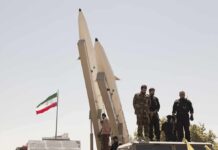
Investigators have treated the shooting as more than a typical criminal rampage. The FBI began examining whether the attack had a terrorism motive, and reporting described indicators that raised that question, including items and imagery suggesting ideological signaling. One detail in public reporting is that the attack occurred the day after U.S.-Israel strikes on Iran, an overlap that can matter for investigators when they assess motivation. The research materials provided do not include a final FBI conclusion.
Why the Officers Are Still Going Before a Grand Jury Despite “No Charges”
The legal controversy is rooted in a policy change made years earlier. In 2021, after national protests and political pressure for aggressive police “accountability” measures, Travis County District Attorney José Garza implemented a requirement that every officer-involved shooting and serious use-of-force incident be presented to a grand jury. Under that framework, the three Austin officers are expected to undergo grand jury review even though the district attorney says the case should not result in prosecution.
Garza has publicly rejected online rumors claiming he planned to charge the officers. According to the research provided, he stated that his office is not seeking charges and would not seek charges, while calling the responding officers “heroes.” That clarification matters, but it does not erase the practical reality that officers can still be put through an adversarial legal process—lawyers, testimony, and uncertainty—because the policy is mandatory rather than discretionary in high-profile cases.
Political Pressure Builds as Texas Leaders Question the “George Floyd Era” Approach
Texas Gov. Greg Abbott weighed in publicly, praising the officers who stopped the attack and signaling state-level involvement if the process turns punitive. The research summarizes Abbott saying he would have the “final say” in the fate of the officers, an assertion that underscores how intensely state leaders are watching progressive local prosecutors. In a state where many voters prioritize public safety and constitutional limits, the optics of scrutinizing a terror-response shooting are combustible.
Republican state Rep. Mitch Little criticized the premise of convening a grand jury for every officer-involved shooting, arguing there is no legal justification for it and warning that grand juries can be manipulated. Those concerns reflect a larger conservative critique of post-2020 governance: policies designed to satisfy activist demands can expand government power over individuals who are performing essential public duties. The research provided does not supply specific Austin precedents under this policy, limiting case-to-case comparisons.
Morale, Recruitment, and the Split-Second Decisions Americans Expect Police to Make
The Austin Police Association sought legal representation for the three officers, and attorney Doug O’Connell has argued that mandatory grand jury review can change how officers think in life-or-death calls. The tension is straightforward: the public expects police to run toward gunfire, yet a blanket policy can make officers feel they may later be treated as suspects for doing exactly that. The research also notes broad impacts—morale, recruitment, and hesitation during emergencies—without providing measured data.
Wait, the Austin Police Officers Who Stopped a Terrorist Are Going Before a Grand Jury for Murder?
https://t.co/2JnEamwfTW— Townhall Updates (@TownhallUpdates) March 4, 2026
A key uncertainty remains how the grand jury presentation will be handled and whether it becomes a routine administrative review or a politicized spectacle. Another disputed point is the role of outside advocacy groups. The research includes an allegation that a community organization influenced the policy, while also noting Garza has not publicly said any outside organization directs his procedures. With the DA saying no charges are sought, the outcome may hinge less on evidence than on whether this policy gets reconsidered.
Sources:
Texas DA calls officers “heroes,” denies prosecution rumors after Austin mass shooting