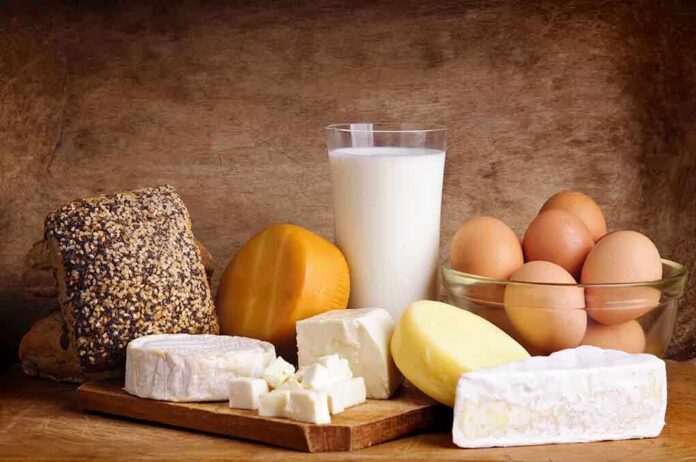
A simple cheese plate can turn a routine prescription into a dangerous problem if you’re on the wrong medication—and most patients are never told until it’s too late.
Story Snapshot
- Aged cheeses can trigger a “cheese reaction” when combined with MAOI medications, potentially causing a severe spike in blood pressure.
- Dairy (including cheese) can reduce absorption of certain antibiotics, raising the risk that an infection won’t clear as expected.
- Most warnings are not tied to a single 2026 “viral” event; they’re long-standing, evidence-based pharmacy guidance repeated in recent health coverage.
- Patients should not stop medications on their own; the practical fix is often timing (separating doses from dairy) or diet limits for specific drugs.
No “Breaking” Cheese Scare—Just a Real Interaction Many People Still Miss
Pharmacists and hospital health systems have been repeating the same basic warning for decades: certain foods can change how medications work, and cheese is a prime example. Recent articles and segments haven’t uncovered a new 2026 crisis so much as they’ve resurfaced an old one—because patients keep getting surprised by it. The core message stays consistent across mainstream health explainers: cheese matters most for a small set of drugs, but the stakes can be high.
The part that frustrates many Americans isn’t “food science”—it’s the avoidable confusion. People assume a prescription is a prescription, then they learn there are hidden rules: avoid this, separate that, read tiny label text, ask a pharmacist, repeat. That’s not “woke” or partisan; it’s practical. But it does highlight how quickly everyday life gets complicated when basic medical counseling is rushed, or when patients are expected to figure it out alone.
The “Cheese Reaction”: Why Aged Cheese and MAOIs Can Be a Dangerous Mix
Aged and fermented cheeses can contain high tyramine levels, and tyramine becomes a serious issue for patients taking monoamine oxidase inhibitors (MAOIs). MAOIs are used less often today than newer antidepressants, but they still exist for certain depression cases and Parkinson’s-related treatment plans. When MAO enzymes are blocked by an MAOI, tyramine can build up and drive blood pressure dangerously high, creating a hypertensive crisis risk.
Sources describing this interaction routinely point to aged cheeses such as parmesan, gouda, and blue cheese as common culprits. The mechanism is well understood: tyramine is normally broken down in the body, but MAOIs prevent that breakdown. The result can be intense headache, flushing, and severe hypertension that may require emergency care. The key limitation: this is not “cheese clashes with most meds.” It is specific and most urgent for MAOI users.
Dairy vs. Antibiotics: How Cheese Can Lower Drug Absorption
The second major interaction is more common day-to-day because it involves antibiotics many families recognize. Dairy products—including cheese and milk—can bind with (chelate) certain antibiotics, particularly tetracyclines and fluoroquinolones, reducing how much medication the body absorbs. If absorption drops, the antibiotic may not reach effective levels, increasing the chance symptoms linger or the infection takes longer to resolve.
Pharmacy guidance generally focuses on timing rather than total avoidance. Several recent write-ups repeat the same practical rule: take these antibiotics a couple of hours before or after dairy to reduce interference. That approach matters for patients trying to do the right thing—especially older Americans juggling multiple medications—because “take with food” often gets misread as “take with any food,” including calcium-rich dairy that can weaken the dose.
The Practical “Full List” People Want—and What the Evidence Actually Supports
Headlines promising a “full list” can sound like every cheese snack is sabotaging half the medicine cabinet. The research behind these pharmacist warnings doesn’t support that broad claim. The most consistently cited cheese-linked problems concentrate in two groups: MAOI medications (where aged cheese can be dangerous) and specific antibiotics (where dairy can reduce absorption). Other food interactions exist—grapefruit is a famous example—but they are separate issues from cheese.
For patients who want clarity, the most conservative, common-sense move is also the simplest: ask the pharmacist what foods to avoid or separate in time, and read the medication guide for the exact drug you’re taking. People should not guess, and they should not stop a medication because of an alarming headline. The stronger takeaway is that the system works best when patients get straightforward counseling—something many believe healthcare should prioritize over bureaucracy and box-checking.
When the guidance is followed, these interactions are usually preventable. For MAOI patients, avoidance of high-tyramine aged cheeses is the standard safety step. For tetracycline and fluoroquinolone antibiotics, separating dairy by a couple of hours can preserve absorption. If symptoms worsen or blood pressure symptoms appear, patients should seek medical advice quickly. The broader lesson is not fear of food, but respect for how the body processes drugs—and insistence on clear, practical instructions.
Sources:
Foods That Cause Medication Interactions
Preventing 4 Common Food-Drug Interactions
How to Avoid Common Food and Medication Interactions
Dangerous drug interactions: what you should never mix, plus foods, supplements
Medication warning: foods and drinks to avoid