The World Health Organization’s endorsement of GLP-1 drugs as essential medicines may redefine global diabetic treatment but raises concerns about equitable access.
Story Overview
- WHO endorsed GLP-1 medications as essential medicines on September 5, 2025.
- This decision highlights their benefits in managing type 2 diabetes and related complications.
- Generic competition and new formulations are expected to influence the market.
- Despite benefits, access in lower-income countries remains uncertain without price negotiations.
WHO Endorsement Sparks Global Attention
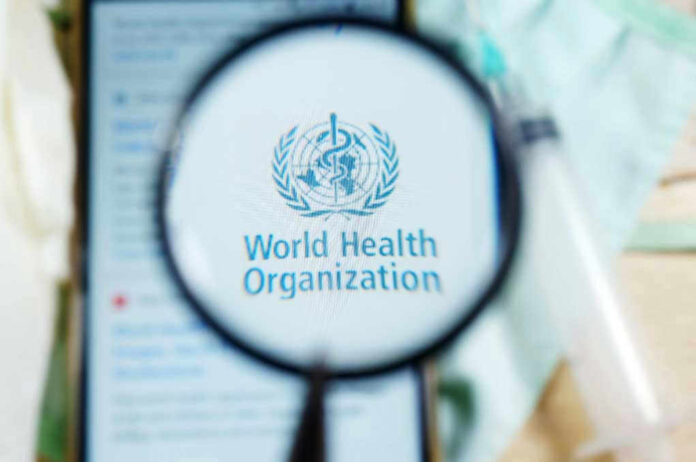
On September 5, 2025, the World Health Organization officially recognized glucagon-like peptide-1 (GLP-1) receptor agonists as essential medicines. This significant endorsement highlights their therapeutic value in managing type 2 diabetes, reducing cardiovascular and renal complications, and supporting weight loss. The decision aligns with the growing evidence of GLP-1 drugs’ benefits beyond glycemic control, positioning them as pivotal in global health strategies.
With this endorsement, GLP-1 medications are expected to influence procurement decisions and treatment guidelines worldwide. This move could potentially improve access to these vital treatments, although the high cost remains a barrier in many low-income regions. Countries may now prioritize GLP-1 drugs in national formularies, though affordability will be crucial for widespread distribution.
Regulatory and Market Dynamics
The GLP-1 market has been undergoing rapid changes with new approvals and regulatory activities. Recently, the FDA approved the first generic version of liraglutide (Saxenda) in August 2025, signaling potential price reductions and increased accessibility. Notably, the approval of new indications for drugs like Wegovy and Ozempic further strengthens their market position, with pending decisions poised to expand their therapeutic reach.
As regulatory bodies continue to approve new formulations, the competition among manufacturers is intensifying. Novo Nordisk and Eli Lilly are at the forefront, with next-generation GLP-1 medications under development. These advancements not only reflect scientific progress but also increase pressure on pricing strategies to ensure broader access.
Challenges in Access and Equity
While the WHO endorsement validates the clinical benefits of GLP-1 drugs, translating this into real-world access, particularly in lower-income countries, presents challenges. Without coordinated efforts on pricing and manufacturing capacity, many patients may not benefit from these treatments. The endorsement calls for strategic investments to improve affordability and infrastructure to support broader distribution.
Despite these hurdles, the market for GLP-1 medications is expected to grow, as they become integral to managing metabolic diseases. However, the disparity in access between affluent and poorer regions continues to be a critical concern, necessitating global efforts to bridge this gap.
Sources:
WHO Updates List of Essential Medicines to Include Key Cancer, Diabetes Treatments
Prime Therapeutics GLP-1 Pipeline Update (August 2025)
American Board of Cosmetic Surgery (May 2025)