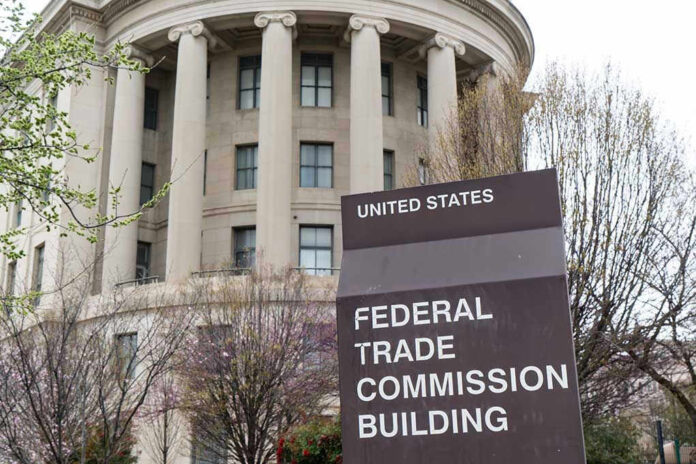
The FTC’s failed lawsuit against Meta exposes the limits of government overreach and signals a victory for free enterprise against regulatory power grabs that threaten innovation and competition.
Story Snapshot
- Meta prevails in a landmark antitrust trial, defeating the FTC’s attempt to force divestiture of Instagram and WhatsApp.
- The court’s decision questions the validity of using outdated, narrow market definitions to attack American tech companies.
- This ruling underscores the difficulties regulators face when trying to rein in dynamic digital markets with static laws.
- The outcome may embolden tech innovation and limit future government interference in private enterprise.
Meta’s Legal Victory: A Blow to Regulatory Overreach
In a major win for American innovation, Meta (the company behind Facebook, Instagram, and WhatsApp) has triumphed over the Federal Trade Commission in a high-profile antitrust case. The FTC accused Meta of building an illegal monopoly through its past acquisitions, but the court disagreed, finding that the government failed to prove Meta’s dominance in what the FTC called the “personal social networking” market. This verdict comes after years of aggressive regulatory efforts that many conservatives viewed as attempts to stifle successful American businesses and empower unelected bureaucrats at the expense of free enterprise.
🔎 Meta wins FTC antitrust trial over Instagram, WhatsApp acquisitions
•The FTC failed to prove the deals allowed Meta to illegally monopolize the social networking market, U.S. District Judge James Boasberg said.
•2020: the FTC sued Meta for antitrust violations.
•The FTC… pic.twitter.com/1jYsYTsKsN
— TheMacroSift.base.eth (RC) (@themacrosift) November 19, 2025
The trial, which began in April 2025, centered on whether Meta’s purchases of Instagram and WhatsApp truly harmed competition. Judge James Boasberg, presiding over the case, highlighted that the tech sector is evolving rapidly, with new players like TikTok and YouTube now competing for users’ attention. The court questioned the FTC’s narrow market definition and its inability to present concrete evidence that Meta controlled a monopoly. This judgment highlights a fundamental flaw in many government-led cases: reliance on outdated frameworks that fail to reflect the realities of today’s digital economy. Conservatives have long warned that static government regulations struggle to keep pace with private innovation, and this case proves the point.
Key Stakeholders and the Battle for Market Definition
Meta’s legal team, led by CEO Mark Zuckerberg and prominent executives, argued that their platforms face fierce competition, not only from traditional social networks but also from video sharing platforms and emerging apps. The FTC, meanwhile, sought to use its broad regulatory power to break up a successful American company, despite lacking hard evidence of consumer harm. Judge Boasberg’s skepticism toward the FTC’s approach is a reminder that federal agencies must meet a high burden of proof before interfering with private business decisions. This ruling is especially significant for conservatives who value limited government and fear the unchecked power of regulatory bodies to disrupt markets based on political agendas rather than clear violations of law.
The FTC’s defeat in this case follows a string of unsuccessful attempts to broaden its authority over tech companies, raising serious questions about the future of antitrust enforcement. The decision also comes at a time when the Trump administration has rolled back many of the previous administration’s overreaching regulations, signaling a return to constitutional principles and a level playing field for American businesses. While opponents warn of the risk of further tech consolidation, supporters of the ruling argue it recognizes true competition in the digital space and protects American innovation from unnecessary government intrusion.
Implications for Tech, Consumers, and the Constitution
In the short term, Meta will retain Instagram and WhatsApp without threat of forced divestiture, allowing the company to continue its business model and innovate freely. For the FTC and similar agencies, this loss is a stark warning: courts will not tolerate regulatory overreach without clear evidence of actual monopoly power. This outcome establishes a higher bar for future antitrust actions, making it harder for bureaucrats to target companies out of political motivation. For conservatives concerned about constitutional rights, overregulation, and the dangers of unelected agencies, this ruling is a victory for due process, individual liberty, and the American principle that businesses should compete on merit—not government favor or interference.
Long term, this decision may curb further attempts to weaponize antitrust law for ideological purposes by demanding updated definitions and concrete evidence of harm. Consumers may benefit from continued innovation and competition, as the court acknowledged the presence of robust rivals challenging Meta’s dominance. The broader tech sector is likely to see renewed confidence and investment, as the chilling effect of aggressive, unsubstantiated government lawsuits is diminished. The fight to defend the Constitution and American free enterprise continues, but this ruling is a clear reminder that facts, not political agendas, must guide our laws and regulatory actions.