
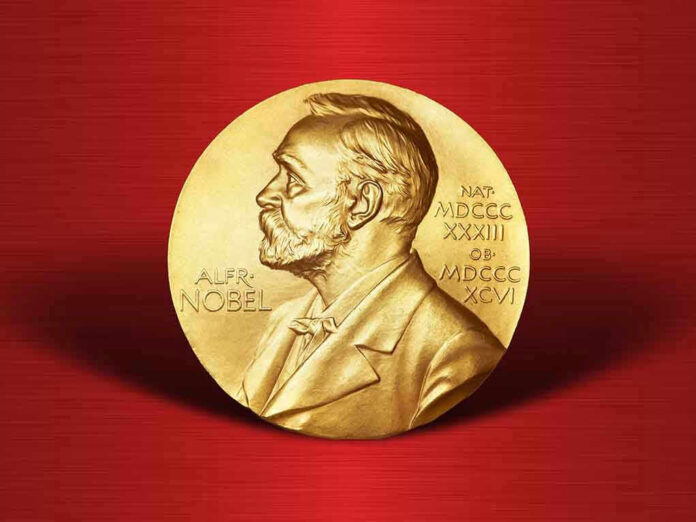
Seven nations have publicly endorsed President Trump for the 2025 Nobel Peace Prize, marking an unprecedented global recognition of American leadership—and igniting fierce debate over what true peace-brokering means in a divided world.
Story Snapshot
- At least seven countries across three continents have publicly nominated or endorsed Trump for the 2025 Nobel Peace Prize, citing his direct mediation in longstanding international conflicts.
- The White House is actively promoting these endorsements as evidence of Trump’s foreign policy strength and America’s restored influence abroad.
- Expert opinion remains divided: some question the sustainability of the peace deals, while others credit Trump with halting violence and opening new diplomatic channels.
- The Nobel Committee will announce the 2025 Peace Prize recipient on October 10, 2025, amid record nominations and global scrutiny.
Multiple Nations Back Trump for Nobel Peace Prize
In a development rarely seen in modern history, leaders from Armenia, Azerbaijan, Pakistan, Israel, the Democratic Republic of Congo, Cambodia, and Rwanda have publicly nominated or endorsed President Trump for the Nobel Peace Prize. Each nation credits his direct intervention for brokering ceasefires or resolving border disputes, with the most recent accolades coming after Trump mediated a landmark agreement between Armenia and Azerbaijan. The White House has responded by highlighting these endorsements as proof of restored American leadership and the effectiveness of Trump’s foreign policy approach.
These endorsements follow a series of high-stakes diplomatic efforts: Trump helped broker a ceasefire between India and Pakistan in May 2025, mediated the end of the “12 Day War” between Israel and Iran in June, and facilitated peace between Rwanda and the Democratic Republic of Congo later that month. In August, Armenia and Azerbaijan jointly endorsed Trump after a historic peace agreement, while Cambodia nominated him for resolving a long-standing border conflict with Thailand. The scope and speed of these interventions have drawn international attention, setting a new precedent for active American mediation in global disputes.
White House Leverages Global Recognition Amid Domestic Polarization
The White House has been quick to seize on these international endorsements, organizing events and public statements that frame Trump as a uniquely effective peacemaker. Officials argue that the string of nominations demonstrates renewed respect for American power and the value of decisive U.S. leadership on the world stage. Congressman Buddy Carter’s formal nomination letter specifically cited Trump’s actions in the Middle East as a reason for Nobel consideration. However, the rush to publicize these achievements has also polarized domestic audiences, with supporters hailing a conservative triumph and critics questioning the depth and durability of Trump’s peace deals.
Trump’s foreign policy style—direct, transactional, and often outside conventional diplomatic channels—has resonated with many frustrated by past administrations’ emphasis on multilateralism and perceived weakness. The White House’s active promotion of these Nobel endorsements stands in stark contrast to the previous administration’s approach, which often prioritized global consensus over rapid, results-driven intervention. For many American conservatives, this shift represents a reclaiming of U.S. sovereignty and influence after years of “America Last” globalism.
Debate Over the Meaning and Impact of ‘Peace’ Deals
Despite the accolades, expert opinion remains sharply divided. Some analysts argue that the agreements Trump has brokered are superficial, focused on short-term optics rather than long-term stability. Scholars have raised concerns that symbolic gestures and temporary ceasefires may not meet the Nobel’s traditional standards for lasting peace, and question whether public nominations from foreign governments are genuine expressions of gratitude or political signaling for future favors. The Nobel Committee, which must weigh a record 338 candidates this year, faces pressure to distinguish substantial achievement from performative diplomacy.
Conversely, supporters emphasize the concrete outcomes—cessation of violence, reduction of hostilities, and the opening of new diplomatic channels—as evidence of real progress. The populations of conflict regions such as the Caucasus, Middle East, and South Asia have experienced immediate relief from violence, and some experts note that even short-term peace agreements can provide breathing room for longer-term negotiations. The Nobel Committee’s decision, due October 10, 2025, will signal whether high-profile, rapid mediation is valued on par with more traditional, incremental peace-building.
The broader impact of these endorsements may extend beyond Trump’s personal legacy. If awarded, the Nobel Peace Prize would not only cement Trump’s status as a global peacemaker but also set a precedent for future recognition based on direct diplomatic interventions. This could recalibrate expectations for U.S. leadership on the world stage and influence how peace efforts are valued in an era of rising conflict and polarization. Regardless of the outcome, the global debate over Trump’s Nobel candidacy underscores the enduring tension between symbolism and substance in international diplomacy—and the high stakes for American conservatives seeking to uphold traditional values in a rapidly changing world.
Sources:
Trump nominated for 2025 Nobel Peace Prize for historic Israel-Iran ceasefire
Trump’s Nobel nomination is rewarding optics over peace?
L’Empire, c’est la paix: The Trump campaign for the Nobel Peace Prize