Tehran invites a U.N. nuclear official but bars inspections, prolonging a dangerous verification blackout while Iran enriches up to 60 percent.
Story Snapshot
- IAEA deputy chief arrives in Tehran for talks; Iran prohibits site access during the visit.
- Inspector access has been blocked since June after strikes during the Israel–Iran conflict.
- Any future inspections require Iran’s Supreme National Security Council approval under a new law.
- IAEA Board of Governors recently censured Iran; a new framework is the stated goal of the talks.
What Is Happening Now: Talks Without Inspections
Iran is hosting a senior IAEA deputy director general in Tehran for the first in‑person engagement since the June Israel–Iran war, but the visit excludes access to nuclear sites. Iranian Foreign Minister Abbas Araghchi says discussions aim to craft a new cooperation framework before any field activity resumes. This narrow invitation signals tactical engagement while maintaining on-the-ground opacity, keeping inspectors sidelined despite the IAEA’s top priority of restoring direct verification and continuity of knowledge.
The IAEA Board of Governors censured Iran in June after a critical May 31 report, escalating pressure to comply with safeguards and cooperate. Tehran counters that recent Board actions and wartime strikes justify restricting cooperation until a negotiated framework is approved domestically. This standoff places procedural hurdles—most notably Supreme National Security Council approval—between diplomacy and practical monitoring, leaving the agency unable to verify enrichment levels, stockpiles, or the status of sensitive facilities.
How We Got Here: War, Suspension, and a New Gatekeeper Law
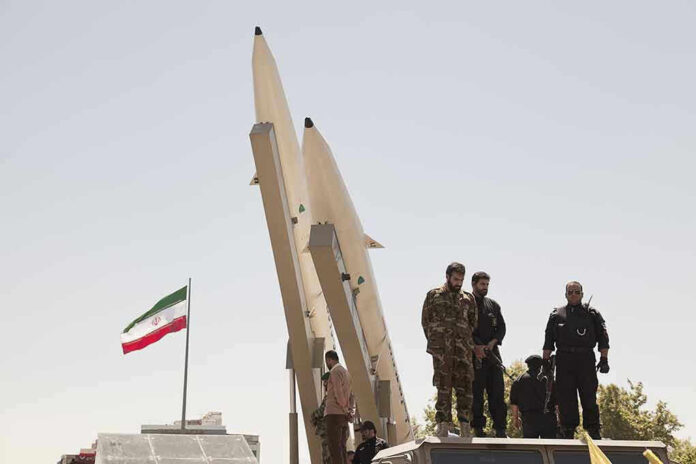
June’s 12‑day Israel–Iran conflict, including strikes on nuclear infrastructure, preceded Tehran’s July 3 suspension of IAEA cooperation. Following that order, inspectors lost access across sites, and legal changes now require the Supreme National Security Council to authorize any future visits. Iran denies intent to build a bomb yet continues enrichment up to 60 percent, a short technical step from weapons-grade. Historically, Tehran has used access limits as leverage, trading visibility for concessions or sanctions relief.
The IAEA’s official chronology highlights repeated Board resolutions pressing Iran to meet safeguards obligations and restore transparency, most recently on June 12, 2025. That institutional pressure shapes today’s talks but cannot substitute for inspectors on the ground. Without cameras, sampling, and regular visits, the agency’s “continuity of knowledge” degrades. Rebuilding that record grows harder the longer access is blocked, increasing uncertainty about breakout timing and the status of centrifuge production, stockpiles, and covert parallel activities.
What’s at Stake: Verification Gaps and Regional Risk
Absent inspections, a verification gap persists, raising proliferation risk assessments for regional actors and complicating U.S. and allied deterrence planning. A negotiated framework could restore limited monitoring, such as remote surveillance or targeted site visits, but Iran’s insistence on domestic approvals suggests any deal will be narrow and reversible. If talks fail, the Board could escalate pressure through additional resolutions, while individual states may weigh unilateral steps, further roiling energy markets and regional security calculations.
Short term, this visit reduces diplomatic isolation and tests whether a technical track can reopen channels closed since June. Long term, the safeguards regime’s credibility is on the line when a sizable program operates with curtailed access. The IAEA’s mandate depends on verifiable assurances that nuclear material is not diverted; extended opacity erodes confidence and invites miscalculation. For American readers prioritizing strong defense and nonproliferation, sustained verification—not press releases—ultimately guards against a nuclear-armed adversary.
Key Players and Decision Points to Watch
Director General Rafael Grossi’s team seeks tangible steps restoring access; Iran’s Foreign Ministry manages public messaging, but the Supreme National Security Council holds the access veto. The United States and Israel, central to June’s military exchange, will closely watch whether Tehran offers any interim measures. Signals to monitor include a joint statement outlining a “new framework,” mention of remote monitoring restoration, or authorization for specific inspections. Absent movement, expect further Board action and sharper debates over deterrence options.
Limitations remain: outlets differ on casualty figures from June hostilities, and reports have not named the specific deputy director leading the Tehran delegation. The outcome of the talks is uncertain, and no schedule for follow‑on engagement has been detailed publicly. Until inspectors return, policymakers and markets will operate with degraded visibility. That uncertainty rewards caution, sustained pressure through multilateral channels, and clear red lines that prioritize verification over promises.
Sources:
Iran says IAEA official to visit for talks; no access to nuclear sites planned
Iran: Chronology of Key Events