Federal employees cheated taxpayers with rampant telework abuse during the Biden administration, as nearly 60% of workers failed to meet minimum in-office requirements while documentation chaos allowed fraud to flourish unchecked.
Key Takeaways
- A recent government watchdog report found that 58.1% of sampled federal employees violated work-from-home policies during the Biden administration
- Nearly one-third (29.7%) had lapsed telework agreements, 21% had paperwork discrepancies, and 15% lacked any approved agreements
- OPM Acting Director Chuck Ezell acknowledged that “oversight was virtually nonexistent” under the previous administration
- President Trump’s executive order requiring federal employees to return to offices by March 3 has ended the “era of telework abuse”
- New internal controls and compliance reviews have been implemented to prevent future abuses of remote work privileges
Widespread Abuse of Remote Work Policies Uncovered
A scathing report from a U.S. government watchdog has exposed “rampant abuse” of work-from-home policies throughout federal agencies during the Biden administration. The investigation, initiated following a 2023 request from Republican Senator Joni Ernst, revealed that a shocking 58.1% of sampled employees failed to meet minimum in-office work requirements in 2024. The Inspector General of the Office of Personnel Management (OPM) identified “compliance failures and weak internal oversight” as the primary causes enabling this widespread disregard for established remote work protocols.
The report detailed alarming documentation failures across multiple agencies. Nearly one-third (29.7%) of employees had lapsed telework agreements, 21% showed significant paperwork discrepancies, and 15% were working remotely without any approved agreements whatsoever. These violations suggest a complete breakdown in accountability systems that were supposed to ensure federal workers remained productive while away from their offices. The inspector general’s analysis of badging data, timesheets, and remote-work agreements revealed a pattern of abuse that cost taxpayers millions while compromising government efficiency.
OPM Leadership Acknowledges Past Failures
OPM Acting Director Chuck Ezell did not mince words when responding to the report’s findings, directly attributing the problems to the previous administration’s lack of oversight. “Under the previous administration, OPMʼs telework and remote work policies were mismanaged and oversight was virtually nonexistent,” stated Ezell, OPM Acting Director.
“That era of telework abuse is over,” declared Ezell, OPM Acting Director.
The report identified multiple potential reasons for these compliance failures, including weak management controls, simple negligence, and even intentional fraud. Many federal employees were effectively setting their own work schedules without proper authorization or supervision, creating an environment where accountability was virtually non-existent. This situation allowed some workers to claim payment for hours that couldn’t be verified, while others maintained the benefits of federal employment without fulfilling their basic obligations to taxpayers.
President Trump’s Decisive Action to Restore Accountability
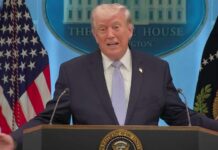
President Trump took decisive action to address this widespread abuse by signing an executive order requiring federal employees to “take all necessary steps to terminate remote work arrangements,” said President Donald Trump.
The executive order mandated that federal employees return to full-time, in-office work by March 3, with only limited exemptions determined by department heads. This directive is part of a broader strategy to restore efficiency and accountability to government operations after years of lax oversight. Under President Trump’s leadership, OPM has implemented new internal controls and compliance reviews specifically designed to prevent future abuses of telework privileges. These measures ensure that federal employees are actually working for the taxpayers who fund their salaries.
Challenges in the Return to Office Transition
The transition back to in-person work hasn’t been without challenges. Upon returning to their offices, many federal employees discovered cramped workspaces and inadequate facilities. Some agencies reported understaffed cleaning crews and deteriorating office conditions, with employees occasionally bringing their own supplies to maintain acceptable working environments. These issues reflect the Trump administration’s broader goal of cutting costs by reducing both office space and unnecessary staffing, prioritizing efficiency and fiscal responsibility over the comfort of government workers.
Despite these challenges, the return to traditional workplaces represents a critical step in restoring public trust in government operations. By ensuring federal employees are physically present and accountable, the administration has demonstrated its commitment to putting taxpayers first. The reforms implemented under President Trump’s direction aim to prevent the kind of systematic abuse that flourished during the previous administration, when weak oversight allowed government workers to collect paychecks without fulfilling their obligations to the American people.