
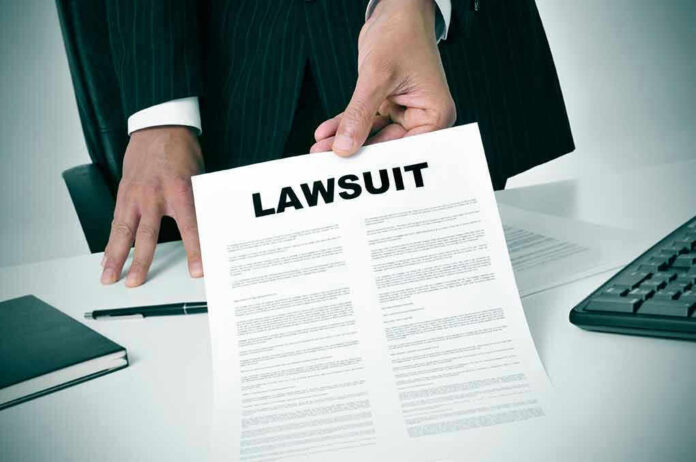
A military veteran’s lawsuit against EgyptAir highlights the pervasive issue of hazardous objects left in airplane cabins, threatening passenger safety and airline accountability.
Story Overview
- A Virginia veteran sues EgyptAir for $5 million after being pricked by a needle on a flight.
- The incident raises concerns about cabin cleanliness and passenger safety.
- Legal proceedings emphasize airline liability under international conventions.
- Case could lead to industry-wide changes in cleaning protocols.
Veteran Takes Legal Action Against EgyptAir
John Doe, a military veteran from Virginia, is suing EgyptAir for $5 million after a disturbing incident on a 12-hour flight. Doe was pricked by a used hypodermic needle left in the seatback pocket, leading to fears of exposure to diseases like HIV and hepatitis. This incident has highlighted significant lapses in airline safety protocols and has sparked a broader conversation about passenger safety on international flights.
This lawsuit, filed in 2025, underscores the emotional and physical toll on Doe, who faced months of medical treatment and emotional distress. The legal complaint emphasizes EgyptAir’s failure to meet its duty of care in ensuring cabin safety and cleanliness. Doe’s experience resonates with many who have questioned airline cleaning standards, especially in the wake of increasing global travel and health concerns.
Legal Framework and Precedents
The Montreal Convention of 1999 establishes airline liability for injuries sustained onboard, a pivotal component in Doe’s lawsuit. This international treaty mandates that airlines are responsible for passenger safety, including the removal of hazardous objects in cabins. Previous cases, such as a 2016 lawsuit against Etihad Airways, have set a precedent for holding airlines accountable for emotional and physical injuries caused by negligence in cabin cleanliness.
Similar incidents have occurred worldwide, with courts recognizing the right of passengers to seek damages for emotional distress alongside physical harm. These legal actions have prompted airlines to reconsider their cleaning protocols and inspection procedures, aiming to prevent future occurrences of such hazardous incidents.
Impact on the Airline Industry
The implications of Doe’s lawsuit extend beyond financial compensation. Should the court rule in favor of Doe, it may catalyze significant changes in the airline industry’s approach to cabin cleanliness and passenger safety. Increased regulatory scrutiny and potential policy changes could lead to stricter cleaning standards, impacting airlines’ operational procedures and financial liabilities.
For passengers, this case serves as a reminder of the importance of vigilance and advocacy for safer travel conditions. The broader airline industry faces a critical moment to address public concerns over safety and hygiene, ensuring passenger trust and compliance with international safety standards.
Sources:
The Independent: EgyptAir Hypodermic Needle HIV Hepatitis Lawsuit
Economic Times: Passenger Develops Depression After Being Pricked by Syringe Needle
CBS News: Woman Sues After Being Stuck with Needle Hidden in Airplane’s Seatback Pouch
Michigan Lawyers Weekly: Federal Court Rules for Woman Poked by Needle on Plane