As the United States steps back, the European Union takes the reins in supporting Ukraine against Russian aggression, raising questions about future global power dynamics.
At a Glance
- The EU adopts its 18th sanctions package against Russia.
- President Trump suspends military donations to Ukraine, focusing on arms sales.
- Russia intensifies drone and missile attacks on Ukraine.
- Ukraine and Russia prepare for direct talks in Istanbul.
European Union Intensifies Support for Ukraine
The European Union has taken a decisive step forward, adopting its 18th sanctions package against Russia. This development marks a significant shift, as the EU now assumes a leading role in supporting Ukraine’s defense efforts. With President Trump opting for a less direct involvement, focusing instead on arms sales, the EU has increased its military aid and economic sanctions, aiming to curb Russia’s military logistics and energy revenues.
The latest sanctions include a dynamic oil price cap set at $47.60 per barrel, 15% below market price, and an expanded ban on Russian “shadow fleet” vessels. These measures are designed to close loopholes and tighten the noose around Russia’s economy. Meanwhile, Russia continues to adapt, redirecting oil exports to Asia and using a “shadow fleet” to evade sanctions.
US Policy Shift Under Trump Administration
President Trump’s administration has taken a different approach, suspending military donations to Ukraine and focusing on arms sales. This change reflects a broader policy shift, as the US under Trump demonstrates reluctance to get deeply involved in Ukraine’s conflict. The Trump administration remains skeptical of Ukraine’s long-term war aims, opting for symbolic participation in allied meetings instead.
This policy shift has left the EU to fill the gap, increasing its defense budget and taking a more assertive role in supporting Ukraine. The EU’s leadership in Ukraine support has widened the transatlantic rift, with Europe now seeking greater strategic autonomy from the US.
Escalating Conflict and Military Developments
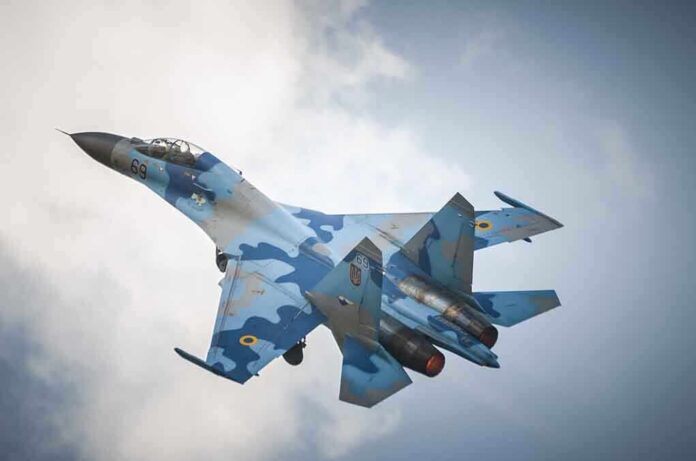
The conflict between Russia and Ukraine has entered a new phase, with intensified drone warfare and increased European defense spending. Russia has launched record drone and missile attacks on Ukrainian cities, while Ukraine has expanded its own drone strikes deep into Russian territory. In response, the UK and Germany have pledged to supply Ukraine with anti-aircraft missiles, and Germany is collaborating with the US to provide Patriot air defense systems.
Ukraine’s domestic arms production has also ramped up, now supplying 40% of its military needs, with a goal of reaching 50% within six months. This push for domestic production is part of a broader strategy to reduce reliance on foreign suppliers and bolster its defense capabilities.
Diplomatic Initiatives and Future Prospects
Despite the ongoing conflict, diplomatic efforts continue. Ukraine and Russia are set to engage in a third round of direct talks in Istanbul, scheduled for July 24, 2025. There is potential for high-level meetings involving leaders such as Putin, Trump, and Chinese officials at upcoming international events.
The future remains uncertain, with the EU’s increased defense spending signaling a move towards greater strategic independence. Russia, meanwhile, continues to adapt to sanctions, leveraging new export markets and its “shadow fleet.” As the conflict evolves, the risk of broader escalation involving China and Russia is a growing concern among Western military planners.
Sources:
Centre for Research on Energy and Clean Air