President Trump says Iran quietly “gifted” America a breakthrough in the Strait of Hormuz—yet verified ship turn-backs suggest the blockade is still biting, and that gap is fueling fresh distrust of another Middle East war.
Quick Take
- Trump claimed Iran allowed 10 oil tankers to pass through the Strait of Hormuz as a “very big present” during talks to end the war.
- Iran and the IRGC denied any concession and reaffirmed the strait remains closed, while maritime tracking confirmed multiple ships were forced to turn back.
- Trump extended his strike pause and deadline for Iran to reopen the strait to April 6, saying Tehran requested more time.
- Analysts and shipping data have not independently confirmed the reported 8–10 “gift” tankers, leaving the claim hard to verify.
- Oil-price volatility and shipping disruptions are intensifying voter frustration, especially among conservatives weary of endless wars and rising energy costs.
Trump’s “10 Tankers” Claim Meets a Reality Check at Sea
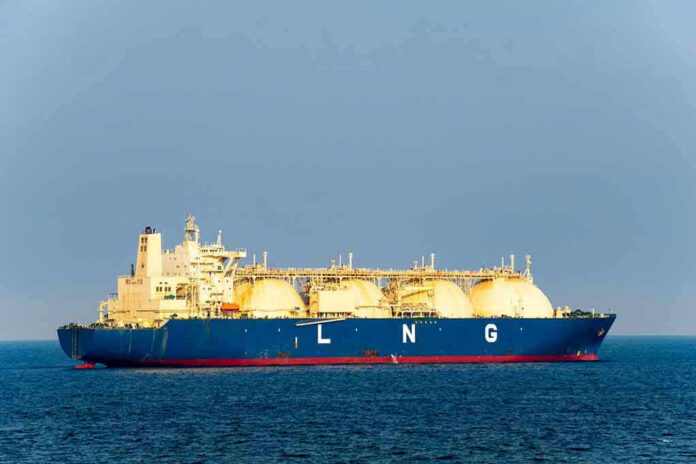
President Trump told his cabinet and later reiterated publicly that Iran allowed oil tankers through Hormuz as a goodwill “present,” first describing eight ships and then adding two more. Trump framed the passage as evidence negotiations were “going very well” while the U.S. keeps military pressure on Iran. The core problem is verification: public reporting cites limited specifics about the vessels, and independent tracking has not confirmed the full claim.
Iran’s response moved in the opposite direction. Iranian officials rejected Trump’s characterization and IRGC statements maintained the strait was closed, warning of consequences for ships deemed linked to Iran’s enemies. Early March 27 reporting also described IRGC enforcement actions that forced ships—reported as Chinese-operated cargo vessels among them—to turn back, with maritime data supporting that at least some turnarounds occurred. Those on-the-water actions undercut the idea of a broad concession.
Why Hormuz Still Matters: A Chokepoint With Constitutional-Scale Consequences at Home
The Strait of Hormuz carries roughly a fifth of global oil flows, so disruption is not an abstract foreign-policy debate—it lands in family budgets through gasoline and heating costs. The current war already has conservatives split: many back strength against Iran’s nuclear ambitions, while others see a familiar slope toward open-ended conflict. When everyday costs jump, Washington typically reaches for emergency measures that can expand federal power, inviting new fights over limits, accountability, and oversight.
The Deadline Extension to April 6 Signals Diplomacy—And Political Risk
Trump extended his timeline to April 6 for Iran to fully reopen the strait, describing the delay as tied to an Iranian request for additional time. Administration messaging has emphasized a dual-track approach—talks backed by force—while the U.S. has held off on certain strikes against Iranian energy infrastructure. That approach can create room for a deal, but it also stretches uncertainty for markets and the public, especially when claims of progress cannot be independently corroborated.
Special Envoy Steve Witkoff described a structured peace framework in reporting, while Defense Secretary Pete Hegseth promoted the idea of negotiating under military pressure. Iran, for its part, has publicly denied the talks and signaled it may formalize transit charges through legislation. A Gulf oil executive was quoted calling the demanded payments “ransom,” and reporting tied the blockade and fees to war funding. With so many claims running through wartime propaganda filters, hard evidence—ship logs, tracking, and confirmed passages—matters more than speeches.
What the Verified Turn-Backs Mean for Energy Prices and Public Trust
Reports of rising oil prices and falling stocks reflect a market that is pricing disruption, not resolution. Shipping analysts cited in coverage noted the lack of public data supporting the “10 tankers” narrative, even as other interdictions were trackable. That mixed picture can inflame a growing grassroots complaint: conservatives who rallied against globalist mismanagement and inflation are now angry about another conflict that hits wallets, grows uncertainty, and risks turning “limited” involvement into a permanent commitment.
TRUMP REVEALS IRAN’S ‘VERY BIG PRESENT’: Regime Allows 10 Oil Tankers Through Strait of Hormuz in Major Concession Amid Negotiations
READ: https://t.co/yZc2Op204b pic.twitter.com/ciPx7PqRYz
— The Gateway Pundit (@gatewaypundit) March 27, 2026
For voters demanding America-first realism, the immediate question is not whether Iran is hostile—it is whether Washington’s claims match verifiable facts and whether the U.S. has a defined end state. If the strait is still effectively closed for most traffic, and if only selective ships move under unclear conditions, then “progress” may be narrower than advertised. Until the administration can point to independently confirmed reopenings, skepticism inside the MAGA base is likely to keep rising.
Sources:
CBS News live updates: Iran war, Trump, Strait of Hormuz oil tankers, Israel
Politico: Trump says Iran’s “present” was allowing 10 oil tankers through Hormuz