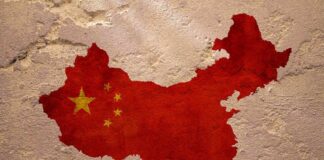
The conviction of Jimmy Lai under the National Security Law threatens to turn him into a global symbol of repression, challenging Beijing’s attempts to deter dissent.
Story Highlights
- Jimmy Lai’s conviction underlines Beijing’s crackdown on opposition.
- The National Security Law’s broad reach impacts media and civil society.
- International communities criticize the erosion of press freedom.
- Lai’s potential martyrdom could galvanize global opposition.
Jimmy Lai’s Conviction: A Symbol of Repression
Jimmy Lai, the founder of the pro-democracy tabloid Apple Daily, has been convicted under Hong Kong’s National Security Law (NSL). This case has become a focal point for international criticism against Beijing’s tightening grip on Hong Kong. Lai’s prosecution, labeled as a deterrent for dissent, may inadvertently elevate him into a global symbol of resistance against authoritarianism. His conviction highlights the broader implications of the NSL on press freedom and judicial independence in Hong Kong.
Impacts on Press Freedom and Media Landscape
The closure of Apple Daily, following Lai’s arrest, marks a significant blow to press freedom in Hong Kong. The NSL’s broad interpretation allows authorities to target media outlets and activists, effectively chilling free speech. The law’s reach into media and civil society is seen as a strategic move by Beijing to reshape Hong Kong’s semi-autonomous status into alignment with mainland political norms. This shift has drawn condemnation from international rights groups and Western governments, who view it as a dismantling of Hong Kong’s democratic fabric.
International reactions have been swift, with numerous governments and organizations calling for Lai’s release and the repeal of the NSL. The International Press Institute named Lai the 2025 World Press Freedom Hero, underscoring the global significance of his case. Critics argue that Beijing’s actions undermine the One Country, Two Systems framework and threaten Hong Kong’s role as a global financial hub.
International and Domestic Reactions
Lai’s trial, which spanned 156 court days, ended with a guilty verdict in December 2025. His ongoing imprisonment in solitary confinement has sparked international outcry. The U.S., EU, and various rights organizations continue to advocate for his release, emphasizing the broader implications for press freedom and human rights. Despite Beijing’s narrative of restoring order, the international community perceives these actions as a strategic crackdown on dissent, positioning Lai as a potential martyr for press freedom and democracy.
The impact of Lai’s conviction extends beyond Hong Kong’s borders, influencing global perceptions of China’s governance and prompting debates on human rights and press freedom. The case serves as a stark reminder of the challenges faced by media and activists under authoritarian regimes.
Sources:
Hong Kong’s Legal Clampdown on Tycoon and China Critic Jimmy Lai
Hong Kong’s Legal Clampdown on Tycoon and China Critic Jimmy Lai
Jimmy Lai Trial Timeline: Hong Kong Media Mogul’s Arrests, Charges, and Court Appearances
Fierce Beijing Critic Jimmy Lai Jailed for 14 Months