

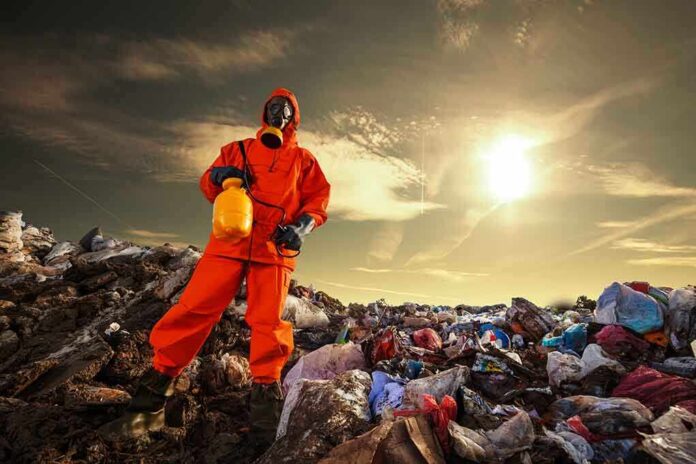
India’s paradox as a beloved travel destination is overshadowed by its severe air pollution crisis, which claims four of the top positions among the world’s dirtiest cities.
Story Highlights
- India is a popular travel destination yet ranks high in pollution indices.
- Extreme pollution events are reported in Indian cities like Suryapet and Khawaja Bagh.
- Air pollution poses significant health risks to urban residents.
- Economic impacts are felt in tourism and healthcare sectors.
India’s Pollution Crisis: A Global Concern
India, despite its charm and attraction as a travel hotspot, faces a significant environmental challenge. As of 2025, Indian cities have dominated global pollution indices, with many experiencing hazardous air quality levels that threaten public health and the economy. The concentration of pollution is not isolated to one city but is systemic across the nation, reflecting a broader regional crisis.
This environmental crisis is not just a local issue but a matter of global concern. The rising pollution levels in Indian cities like Suryapet and Khawaja Bagh, with Air Quality Index (AQI) readings of 412 and 318, respectively, highlight the urgent need for intervention. These figures are alarmingly high, indicating air quality that poses immediate health risks to residents, including respiratory and cardiovascular issues.
The Health and Economic Fallout
Residents of these polluted cities are at significant risk of health complications. Chronic exposure to high levels of air pollution has been linked to reduced life expectancy and increased prevalence of serious health conditions such as asthma, chronic obstructive pulmonary disease (COPD), and cardiovascular diseases. These health issues not only strain the healthcare system but also lead to increased medical costs and reduced productivity.
The tourism sector, a vital part of India’s economy, also suffers from this environmental challenge. Negative perceptions of air quality deter potential tourists, affecting businesses reliant on travel and tourism. This decline in tourism has a ripple effect on related industries, including hospitality and transportation, exacerbating economic losses.
Political and Social Implications
The severe air pollution crisis in India has sparked a public health emergency, necessitating immediate government action and resource allocation. This situation places pressure on national and local governments to enact and enforce stringent environmental regulations. The crisis has also drawn international attention, highlighting the need for global cooperation in tackling air pollution and its impacts.
Migration patterns are also affected, as residents of severely polluted areas may seek cleaner environments, leading to population shifts and further economic challenges. The situation in India underscores the need for comprehensive policies and international collaboration to address the root causes of air pollution and mitigate its effects.
Sources:
Wikipedia Particulate Matter List