
America’s involvement in the Iran war is now ricocheting into your wallet in a surprising place: the helium that keeps hospitals running and high-tech manufacturing moving.
Quick Take
- Iranian strikes on QatarEnergy LNG facilities helped knock Qatar’s helium production offline, tightening a market where Qatar supplies roughly one-third of global helium.
- Suppliers have issued force majeure and allocation notices, signaling shortages that can hit semiconductor production, aerospace operations, and medical imaging.
- Aluminum prices have surged to multi-year highs alongside higher energy costs, adding pressure to autos, appliances, construction, and packaging.
- Broader war-linked inputs—fertilizer (urea) and plastics (polyethylene)—have jumped sharply, risking renewed food and consumer-goods inflation.
Qatar strikes expose a fragile helium supply chain
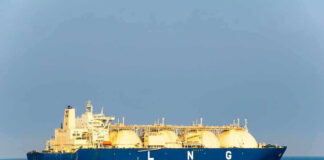
Iranian strikes on two QatarEnergy LNG facilities halted helium output and wiped out about 17% of Qatar’s LNG export capacity, according to reported details cited across multiple outlets. Because helium is produced as a byproduct of natural-gas processing, damage to LNG infrastructure quickly becomes a helium problem. Qatar’s role is outsized: roughly one-third of the world’s helium supply. Repair estimates running three to five years imply prolonged market tightness rather than a short disruption.
Helium’s scarcity is not just about balloons; it is a specialized input with few substitute sources and a small set of producers. The United States leads production, with Algeria and Qatar as major suppliers, while Russia’s helium is constrained by sanctions in U.S. and European markets. That concentration means a single regional shock can ripple globally. Industry voices have warned that many manufacturers typically hold only limited inventories, leaving little cushion when shipments get rationed.
Chipmakers, AI infrastructure, and consumer electronics face real constraints
Semiconductor manufacturing relies on helium for critical processes, and the same supply crunch can ripple into everything built on chips, including vehicles, appliances, phones, and data-center hardware. Reports describe suppliers issuing allocation letters, a sign that contracts and delivery schedules are being tightened. Analysts have connected these disruptions to slower timelines for AI-related buildouts and higher costs for electronics. If production bottlenecks return, consumers could feel it through higher prices and delayed availability.
The political backdrop matters because the underlying shock is war-driven. In 2026, with the Trump administration responsible for federal actions, the costs of U.S. involvement are no longer theoretical for conservative voters who remember the promises to avoid new wars. The research points to a key reality: oil is not the only lever. When conflict hits industrial infrastructure in the Gulf, the fallout can flow through niche commodities that quietly support America’s medical care, manufacturing base, and national competitiveness.
Hospitals have short-term insulation, but MRIs are still vulnerable
Healthcare providers have warned that helium is essential for MRI systems, where it supports cooling requirements tied to the magnets used for imaging. One report noted that U.S. healthcare has, so far, avoided widespread access issues because large systems diversified sourcing and planned for disruptions. That is encouraging, but it is not the same as immunity. If the war-driven squeeze persists and allocations deepen, the risk shifts from “price problem” to “service problem,” especially for smaller providers with less purchasing power.
War pressure spreads into aluminum, plastics, and fertilizer
The same set of war-linked disruptions is also showing up in industrial basics. Coverage tied the conflict environment and higher energy costs to aluminum reaching a four-year high, which can raise costs for autos, construction materials, appliances, and food packaging. Separate reporting highlighted sharp increases in plastics and fertilizer inputs, including urea up roughly 70% and polyethylene up about 30%. Those are upstream costs that tend to feed into groceries and household staples over time.
For voters already exhausted by inflation, overspending, and expensive energy, this story lands like an uncomfortable reminder: foreign entanglements do not stay overseas. The available reporting does not provide a precise end-date for the conflict or a quick replacement for Qatar’s lost output. With repairs measured in years and global production concentrated in a few countries, the most realistic near-term expectation is continued volatility, rationing, and higher prices for select products that depend on helium and energy-intensive materials.
Sources:
https://www.cbsnews.com/news/iran-war-helium-aluminum-shortage-impact/