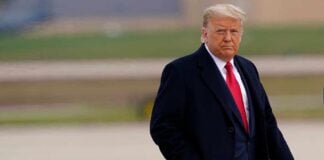
President Trump nominates Kevin Warsh, a proven inflation fighter, to replace Jerome Powell as Federal Reserve Chair, signaling a bold move to slash high interest rates crushing American families.
Story Highlights
- Trump announces Warsh nomination on January 30, 2026, via Truth Social, praising him as potentially “one of the GREAT Fed Chairmen.”
- Warsh, former Fed governor during 2008 crisis, criticizes Fed overreach, quantitative easing, and balance sheet expansion—aligning with Trump’s push for lower rates.
- Powell’s term ends May 2026 amid Trump criticisms over stubborn 4.25%-4.5% rates fueling mortgage and car loan pain for working Americans.
- Nomination awaits Senate confirmation, promising relief from Biden-era inflation legacy through hawkish reforms.
Trump’s Nomination Announcement
On January 30, 2026, President Donald Trump declared his intent to nominate Kevin Warsh as the next Federal Reserve Chair. Trump posted on Truth Social that Warsh, whom he has known for years, “will never let you down.” This move targets Jerome Powell’s term expiration in May 2026. Trump has long blamed Powell for keeping benchmark rates at 4.25%-4.5%, hindering economic recovery from past fiscal mismanagement. Warsh emerges as a reformer to prioritize American workers over endless money printing.
Warsh’s Proven Track Record
Kevin Warsh, age 55, built credentials at Morgan Stanley after Harvard Law and Stanford. He advised George W. Bush’s White House starting 2002 and joined the Fed in 2006 as its youngest governor. During the 2008 financial crisis, Warsh served as Wall Street liaison, gaining respect for steady leadership. He resigned in 2011 over disagreements with quantitative easing policies that ballooned the Fed’s balance sheet. Today, Warsh advises investor Stan Druckenmiller and lectures at Stanford’s Hoover Institution, consistently advocating limited government interference in markets.
Powell Criticisms and Fed Tensions
Trump originally nominated Powell in 2017, but relations soured over rate policies. Trump accuses Powell of ignoring affordability crises in mortgages and car loans, exacerbated by tariffs and lingering inflation. The Fed now faces a Justice Department probe into Powell and Supreme Court scrutiny of its independence. Warsh critiques Fed mission creep, overcommunication, and regulatory excess, positioning him to restore focus on core inflation control. This rift underscores Trump’s determination to align monetary policy with pro-growth conservative principles.
Warsh’s hawkish stance on inflation promises a smaller Fed balance sheet and reduced regulation, benefiting businesses and families strained by high costs. Everyday Americans stand to gain from potential rate cuts, easing burdens from Biden-era overspending.
Path to Confirmation and Economic Impact
The nomination requires formal submission and Senate approval before May 2026. Republican policymakers view Warsh favorably due to his established record and GOP ties. Short-term, confirmation could spark Senate debates on Fed autonomy amid ongoing probes. Long-term, Warsh’s reforms may shift policy toward inflation vigilance, productivity gains like AI-driven growth, and less quantitative easing. Wall Street welcomes his ties, while borrowers anticipate relief on loans. This aligns with Trump’s agenda to combat inflation’s toll on conservative values of self-reliance and fiscal discipline.
Confirmation success would save billions in interest costs, directly aiding American households recovering from globalist policies.
Sources:
Trump nominates Kevin Warsh to succeed Jerome Powell as Federal Reserve chair
Trump taps Kevin Warsh to lead Federal Reserve