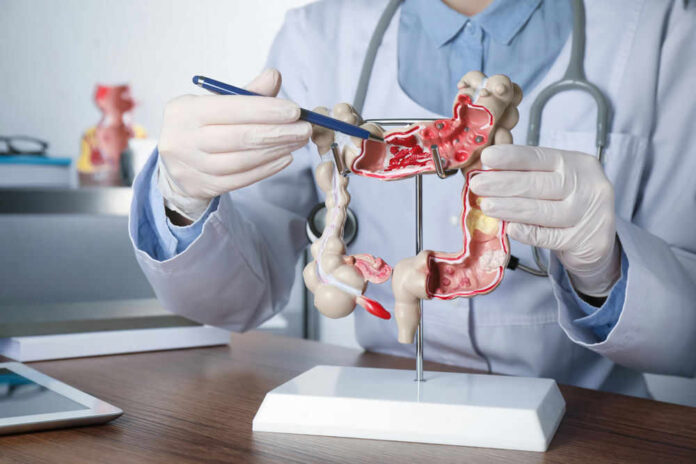
Medical experts reveal that eating dinner three hours before bedtime could be the simple solution to chronic digestive issues plaguing millions of Americans who rely on expensive medications and treatments.
Story Summary
- Eating dinner three hours before sleep optimizes morning bowel movements by aligning with natural circadian rhythms
- Night eating syndrome increases gastrointestinal symptoms and reduces psychological well-being according to recent studies
- Gastroenterologists emphasize morning elimination occurs when the body is naturally primed after waking
- Simple meal timing changes could reduce reliance on laxatives and healthcare interventions for digestive complaints
Natural Body Clock Drives Digestive Success
Gastroenterologists confirm that the human digestive system operates on a precise circadian rhythm, with peak intestinal motility occurring naturally in morning hours. Dr. Michael Bass explains that mornings provide optimal conditions because the body is naturally primed to eliminate waste after waking and eating breakfast. This biological programming represents millions of years of human evolution, yet modern eating patterns consistently work against these natural processes, creating unnecessary digestive dysfunction.
Three-Hour Window Creates Digestive Harmony
Clinical research demonstrates that consuming dinner approximately three hours before sleep allows sufficient time for initial digestion while maintaining alignment with circadian biology. This timing enables the digestive system to process food during wakeful hours when metabolic activity remains elevated, then transition into restorative sleep phases without interference from active digestion. The practice supports natural morning elimination cycles that millions of Americans have disrupted through poor meal timing habits developed over decades.
Night Eating Syndrome Undermines Health
Recent cross-sectional studies reveal alarming connections between night eating patterns and increased gastrointestinal symptoms throughout surveyed populations. Researchers documented significant correlations between late-night food consumption and reduced psychological well-being, suggesting that disrupted circadian eating patterns create cascading health problems beyond simple digestive complaints. These findings challenge conventional dietary advice that focuses primarily on food composition while ignoring the critical importance of meal timing for optimal health outcomes.
Expert Consensus Emerges on Practical Solutions
Leading gastroenterology associations increasingly advocate for chronobiology-based interventions that emphasize meal timing over complex dietary restrictions or pharmaceutical interventions. Academic researchers call for expanded studies into practical applications of circadian rhythm science for everyday digestive health management. However, experts acknowledge individual variability exists, meaning some people may require personalized approaches that consider work schedules, family obligations, and other lifestyle factors that influence eating patterns in modern American households.
This emerging medical consensus offers hope for millions suffering from chronic constipation and digestive irregularity who have found limited success with traditional fiber supplements, expensive probiotics, and prescription medications that often create dependency without addressing underlying causes rooted in disrupted natural biological rhythms.
Sources:
Digestion problems: Experts reveal the best time for dinner to help regular morning bowel movement
Circadian Rhythm and Gut Motility Research
Night Eating Syndrome and Gastrointestinal Symptoms Study
When is the best time to go to the bathroom during the day
Frequent Bowel Movements – Cleveland Clinic