California taxpayers face a $125 billion “train to nowhere” after 18 years of Democratic mismanagement, proving government waste erodes conservative values of fiscal responsibility and limited spending.
Story Highlights
- 60 Minutes exposes California’s high-speed rail as a “ghost train” with no tracks laid despite $15 billion spent and voter-approved $33 billion promise from 2008.
- Costs ballooned to $125-126 billion with a $90 billion shortfall; Trump administration wisely canceled $4 billion in federal grants in 2025.
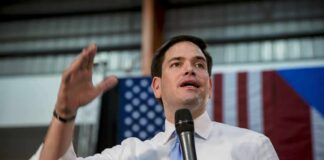
- Rep. Vince Fong calls it a “complete bait and switch” on voters, highlighting poor planning, lawsuits, and regulatory delays.
- Project scaled back to low-ridership Central Valley segment (Bakersfield-Merced) targeting 2033 completion, abandoning full LA-SF route.
Project Origins and Voter Betrayal
California voters approved Proposition 1A in 2008, providing $9.95 billion in bonds for a $33 billion high-speed rail linking Los Angeles and San Francisco by 2020. Governors Arnold Schwarzenegger and Jerry Brown championed the project promising reduced pollution, less gridlock, and economic boosts. The plan selected an inland Central Valley route for statewide support, but it lacked urban demand from the start. Today, 18 years later, no tracks exist, betraying taxpayer trust with endless delays.
Escalating Costs and Federal Intervention
The California High-Speed Rail Authority now estimates $125-126 billion total costs, facing a $90 billion funding gap after spending over $15 billion. Key stalls include acquiring 3,000 parcels of land, environmental lawsuits, high U.S. labor costs, and poor initial planning without secured routes or designs. In 2019, Gov. Gavin Newsom scaled it to a 171-mile Bakersfield-Merced segment amid overruns. The Trump administration’s 2025 cancellation of $4 billion federal grants rejected this waste, prioritizing viable projects.
Stakeholder Accountability and Criticism
Rep. Vince Fong (R-CA), from Bakersfield, labels the project a “nightmare” of government waste and “bait and switch” on voters, noting no trains or tracks after billions spent. CHSRA board member Anthony Williams admits the $126 billion figure and initial financing flaws. Transportation Secretary Toks Omishakin claims the Central Valley segment is fundable without federal help, but Gov. Newsom declined 60 Minutes interviews. U.S. Transportation Secretary Sean Duffy echoes: “Wasted billions… delivered nothing.”
Current Status and Lingering Waste
No tracks laid after 18 years; CHSRA plans first Central Valley tracks in 2026, aiming for 2033 completion with low projected ridership. A February 2026 cost-cutting plan seeks private investment and earlier big-city links, but the full LA-SF vision remains unfunded. Central Valley farmers endure land negotiations, while taxpayers bear bond and cap-and-trade burdens without pollution or gridlock relief. This exemplifies Democratic overspending, contrasting successful foreign rails like Morocco’s.
Broader Implications for Fiscal Conservatism
The project’s failure deters U.S. high-speed rail investment, underscoring needs for consistent federal strategies like the Highway Trust Fund, absent here due to partisan funding swings. It erodes trust in government bonds and highlights regulatory overreach via environmental rules fueling lawsuits. Conservatives celebrate Trump’s grant cuts as a victory against globalist-style boondoggles, reinforcing demands for accountability and no new taxes on families already hit by inflation and high energy costs.
Sources:
Why high-speed rail not tracked in US – 60 Minutes transcript
US high-speed rail – 60 Minutes