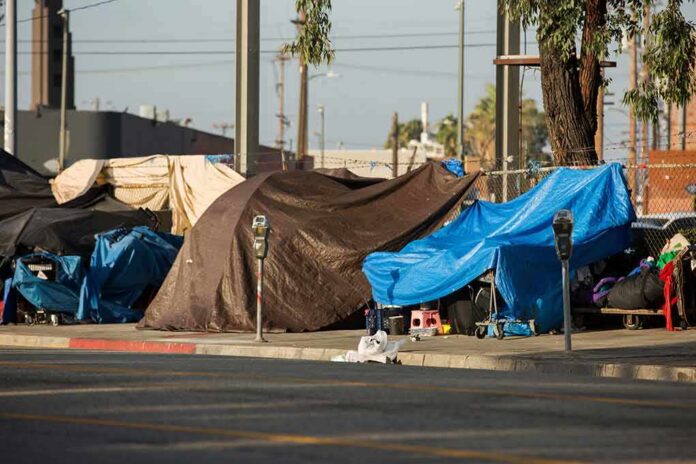
Border shelters in Tijuana that once overflowed now sit half-empty, a stark shift tied to tightened U.S. asylum access and migrants’ fear of rapid deportation under President Trump’s policies.
Story Snapshot
- Tijuana shelters report low occupancy compared with past years.
- Shelter leaders link the drop to Trump-era asylum shutdowns and deportation rhetoric.
- Ending the CBP One system cut off the pipeline that had sent many migrants to Tijuana.
- Funding cuts strained shelters, magnifying the downturn and capacity limits.
What Changed At The Border This Year
Reporters and shelter directors in Tijuana describe a clear shift since early 2025. After President Trump returned to office, his team disabled the CBP One appointment system and canceled asylum slots that many migrants relied on to enter the United States legally. That move removed the main reason thousands waited in Tijuana. Without scheduled entries, the flow of people heading to shelters slowed, and many who had appointments were left in limbo.
Local officials say the pipeline that once brought steady groups into Tijuana dried up. Before the shutdown, the CBP One system processed a large number of daily appointments, which kept shelters full. Once that pipeline ended, far fewer people arrived to wait in the city. The change also reduced demand for beds and services. Operators now report fewer migrants using shelters and lower occupancy than the prior year.
Fear, Policy, And Why Shelters Look Empty
Shelter leaders tie the emptiness to two forces at once. First, many migrants lost hope for U.S. asylum after the appointment system ended, so they chose to seek refuge in Mexico or return home. Second, steady talk of tougher deportations under Trump raised the personal risk of traveling north. Some directors say that fear kept people from coming in the first place, even as actual mass expulsions did not immediately follow. The result: thinner shelter populations citywide.
This picture fits a broader border pattern. When U.S. rules trap people in Mexico, shelters overflow. When legal paths close and enforcement hardens, some travelers never start the journey, and beds go empty. The Los Angeles Times reported that “shelters are no longer full,” and also pointed to United States Agency for International Development funding cuts that pushed some shelters near closure, which further shaped capacity and usage. These mixed drivers mean no single cause explains every empty bunk.
Who Is Still Showing Up, And Who Is Not
Tijuana’s migrant affairs officials told Border Report that shelters operated around 50 to 60 percent capacity, with about 3,000 people seeking services compared with 5,000 a year earlier. Many did not want to wait months for a new path to enter. Some migrants whose appointments were canceled stayed in Tijuana while they searched for temporary housing and next steps, adding strain even as overall volumes fell. The system had room, but demand looked different than past years.
Shelter coordinators also said that predicted mass deportations into the city had not happened at the scale first feared, even as officials prepared space for a surge. That planning left facilities ready but underused. A few centers reported serving hundreds despite capacity for thousands, reflecting both detoured migration routes and the chilling effect of U.S. policy signals. This gap between preparation and arrivals shows how fast policy can swing local needs, budgets, and community trust.
Why This Matters For Everyday Americans
These shifts expose a deeper governance problem that crosses party lines. Washington changes a tool like CBP One, tightens asylum, and warns of swift deportations. Cities like Tijuana then scramble, build capacity, and see beds sit empty while funding runs thin. Taxpayers see money and promises move faster than results. People on the left and right worry that leaders talk tough, claim wins, and leave border towns, charities, and migrants to manage the fallout.
What To Watch Next
Watch whether the federal government sets a stable, lawful way to request asylum that reduces chaos at the border. Track weekly shelter occupancy in Tijuana and other hubs to see if numbers rise with any new entry rules. Look for clear data on who is arriving and why they changed plans. Finally, follow funding decisions that keep shelters open during policy swings. Durable rules and honest numbers can calm a system that has whiplash today.
Sources:
redstate.com, southcarolinapublicradio.org, english.elpais.com, theworld.org, abcnews.go.com, latimes.com, cnn.com, visaverge.com
© newsworthy.news 2026. All rights reserved.