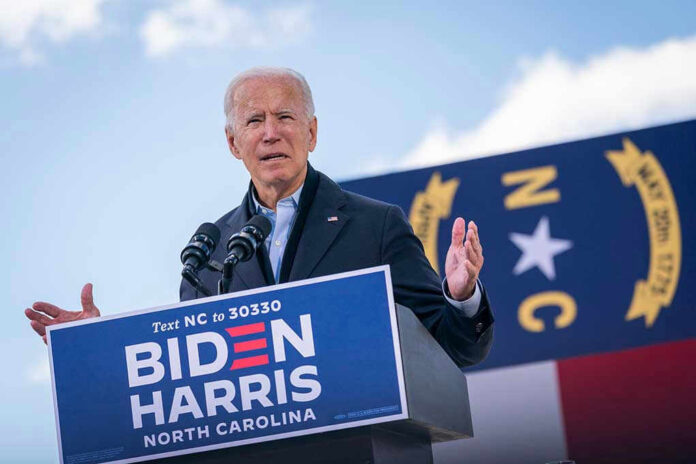
Joe Biden’s team signed thousands of last-minute presidential pardons—including for key political allies—using an autopen, and now the explosive revelation that he never even saw most of their names is shaking the nation’s faith in the very concept of executive clemency.
At a Glance
- Biden’s staff, not Biden himself, gave the final go-ahead for autopen-signed pardons, including controversial preemptive ones
- Republicans and President Trump are demanding investigations, calling the legitimacy of these pardons into question
- Legal scholars are split: was this a practical necessity or an abuse of constitutional power?
- Thousands of individuals—some high-profile—now walk free, thanks to a process critics say was “rubber-stamped” in the final hours
Biden’s Last-Minute Pardons: Staff, Autopen, and Outrage
Americans who believe in the solemnity of the presidential pardon—one of the gravest, most personal powers the Constitution bestows—have every right to be furious. Internal emails, made public in July, show that President Joe Biden did not individually review, let alone hand-sign, thousands of pardons issued in the closing days of his term. Instead, key White House staffers, led by Chief of Staff Jeff Zients, approved and executed these mass clemencies using an autopen—a machine that mechanically stamps a president’s signature—often in the dead of night. The pardons swept up nearly 2,500 nonviolent drug offenders, Biden’s own son, and a raft of high-profile allies, including Anthony Fauci and Gen. Mark Milley, shielding them from any potential prosecution by the incoming Trump administration. As the dust settles, the scope and method of these pardons are triggering a constitutional firestorm.
Biden defended the process in a rare interview, claiming he established all the criteria himself and only resorted to the autopen out of necessity, given the sheer volume. Yet the internal trail tells a different story: staffers, not Biden, finalized the lists and gave the critical sign-offs, even for the most explosive, preemptive pardons. Not since Richard Nixon has the country seen such a glaring question mark over the legitimacy of presidential mercy. Critics point out that the use of autopen for such significant, constitutionally protected acts is unprecedented at this scale—and that, at the very least, the American people deserve a president who reads the names of those he’s pardoning before letting them off the hook.
Congressional Fury and Legal Uncertainty
Republican lawmakers, led by House Oversight Chair James Comer, are launching investigations into whether the autopen-signed pardons are even valid. Their argument is simple: the Constitution vests the pardon power in the president personally, not in his staff or a mechanical device. The fact that Chief of Staff Jeff Zients signed off on the final wave of pardons with Biden reportedly disengaged—at a time when his fitness for office was already under scrutiny—has only added fuel to the fire. President Trump, now back in the White House, has seized on the revelations, calling for immediate legal reviews and vowing to restore “real accountability” to the executive branch. The stakes are sky-high: if these pardons are found invalid, thousands of individuals, including prominent Washington insiders, could be subject to prosecution after all.
Legal experts are split. Some maintain that as long as the president authorized the action in some form, autopen use is technically legal. Others argue this flies in the face of the Founders’ intent, turning a deeply personal act of mercy into an administrative rubber stamp. The controversy is expected to land in the courts, with challenges already being prepared by conservative legal groups and a growing chorus of constitutional scholars warning of the dangerous precedent set by Biden’s final days in office.
Impacts on Families, Justice, and Trust in Government
The fallout is not just political. For the thousands of people who walked free thanks to these pardons—ranging from nonviolent drug offenders to top-level bureaucrats—the legal and emotional whiplash is overwhelming. Some families are celebrating a second chance, while others brace for the possibility that their loved ones could be dragged back into legal limbo if the pardons are overturned. Meanwhile, the American public is left to wonder: if a president’s signature on a pardon can be delegated to a staffer and a machine, what other sacred powers are up for grabs in Washington?
White House staffers, including Zients and Staff Secretary Stefanie Feldman, now face intense scrutiny over their roles in executing the pardons. Congressional investigators are demanding transcripts, emails, and testimony to uncover just how disengaged Biden was from the process. The controversy is also fueling calls for institutional reforms—potentially requiring future presidents to hand-sign all clemency warrants and document their personal involvement. Until then, the Biden pardons saga stands as a cautionary tale about the perils of unchecked executive power and the slow erosion of public trust in America’s most fundamental institutions.