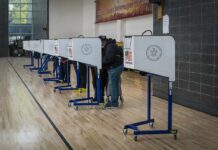


Colorado voters approved three child-focused measures, signaling direct public support for tougher penalties and tighter rules even as opponents vow to fight the changes.
Story Snapshot
- Voters passed Propositions 133, 134, and 135, with two close margins and one decisive win.
- Proposition 133 imposes life without parole for trafficking a minor for sexual servitude, with a narrow exception for coerced victims.
- Proposition 134 requires school sports to align with sex assigned at birth, with limited exceptions.
- Proposition 135 bans specified surgeries on minors while leaving nonsurgical care legal.
What Voters Approved And By How Much
Unofficial counts and national election tallies showed voters backing a three-measure package. Proposition 135, which restricts certain surgeries on minors, passed about 52% to 48%, according to the Associated Press. Coverage reported a similar margin for Proposition 134, which sets sex-at-birth rules for school sports participation, while Proposition 133 won by a wider margin above 60% in unofficial results. These results reflect support, though two measures cleared the bar by modest margins.
Proponents framed the votes as a child-protection mandate. A coalition that included the Colorado Catholic Conference backed the measures, describing them as steps to fight child sex trafficking, set clear sports eligibility, and limit specified surgeries on minors. Supporters said the package responds to parent concerns and provides clear rules that schools and providers can follow. Their post-election statements stressed that voters, not politicians, made the call on these sensitive issues.
What Each Measure Does In Plain Terms
Proposition 133 increases the penalty for trafficking a minor for sexual servitude to life in prison without parole, with an exception for victims coerced into helping traffickers. Proposition 134 requires K–12 and college sports teams to be designated male, female, or coed, and generally bases eligibility on sex assigned at birth, while allowing girls and young women to play on boys’ teams when no girls’ team exists. Proposition 135 bans surgeries intended to change minors’ sex characteristics because of gender identity, with medical exceptions, while allowing puberty blockers, hormones, and counseling.
Two measures are statutory changes, not constitutional amendments. Lawmakers can amend or repeal them by a simple majority. That means election night was not the final word on policy. The General Assembly, state agencies, schools, and medical boards will now translate the new rules into daily practice. That next phase can alter how far the measures reach, how they are enforced, and whether courts weigh in on disputes that may arise.
Why The Fight Is Not Over
Opponents argue the sports and surgery measures target transgender youth and move key decisions from families and medical professionals to the state. The American Civil Liberties Union of Colorado warned the sports rules could trigger invasive gender checks and that the surgery limits block care some families seek for their children. Families Not Politics and allied groups said students could face new barriers to health care and school life under the new laws.
Grassroots, Not Money, Won The Ballot Initiatives In Colorado!
Erin Lee, Protect Kids Colorado, fought for three years to protect children from gender ideology and defend girls sports; On November 3rd the efforts of one mom and 5000 plus grassroots volunteers paid off. Three… pic.twitter.com/BTa37i4gWe— Moms for Liberty (@Moms4Liberty) November 7, 2026
The numbers also show a divided electorate on two measures. Proposition 135’s near 52% share is a win, but not a landslide. That narrow margin invites legal and legislative challenges. Critics say Proposition 135 reaches further than supporters admit and could affect a wider range of care. News outlets reported this dispute over scope during the campaign and on election night, suggesting the true reach will likely be tested in policy and possibly in court.
What To Watch Next In Colorado
Implementation details will shape real-world impact. For sports, schools and colleges must finalize how they check eligibility without violating student dignity or privacy, a concern raised by opponents. For medical care, hospitals and insurers must interpret which procedures fall under the surgical ban and which medical exceptions apply under state law. For trafficking, courts and prosecutors will apply the life-without-parole penalty in new cases, including how the coercion exception works in practice.
The wider national debate will influence Colorado. Many states have moved to limit transgender participation in school sports and restrict medical interventions for minors. Courts have split, and legislatures keep revising rules. That unsettled landscape means Colorado’s statutory measures could change again through new bills, agency rules, or lawsuits. For families, coaches, students, and doctors, clear guidance from state officials will be essential to avoid confusion and protect rights and safety on all sides.
Accountability And Open Questions
Campaign records and claims may still face scrutiny. Reporting flagged a pending complaint over allegedly unreported payments to a canvassing firm tied to the ballot drive. That process could affect how the public views the grassroots story that supporters tell about these wins. Supporters say voters demanded action. Opponents say rights were curtailed. Both sides now have a duty to show their work, share data, and center the well-being of kids as the state carries out the voters’ choices.
Sources:
coloradokids.org, kunc.org, completecolorado.com, kimmonson.com, coloradotimesrecorder.com, coloradosun.com, gazette.com, apnews.com, cpr.org, sentinelcolorado.com, coloradopolitics.com
© newsworthy.news 2026. All rights reserved.