
A Pakistani airstrike allegedly slaughtered over 400 vulnerable patients at a Kabul drug rehabilitation hospital, igniting fears of a catastrophic regional war as the Taliban vows retaliation and Pakistan denies targeting civilians—raising urgent questions about sovereignty, truth, and the specter of chaos spilling beyond Afghanistan’s borders.
Story Snapshot
- Pakistani airstrikes allegedly killed 400+ patients at Kabul’s Omar Addiction Treatment Hospital on March 16, 2026, with 250 injured
- Taliban officials label the attack a “crime against humanity” and threaten retaliation, while Pakistan denies hitting any civilian facility
- Conflict stems from cross-border tensions over Taliban harboring of TTP militants, with 75+ killed in clashes since late February
- Rescue crews continue searching rubble as videos reveal burning beds, scattered bodies, and chaos at the 2,000-bed rehabilitation center
Devastating Strike on Vulnerable Civilians
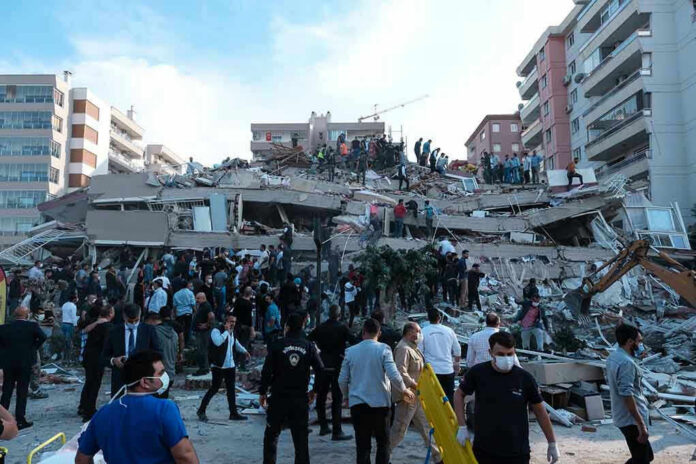
Late on March 16, 2026, Pakistani airstrikes allegedly hit the Omar Addiction Treatment Hospital in Kabul, a massive 2,000-bed drug rehabilitation facility established in 2016 to serve Afghanistan’s most vulnerable populations. Taliban officials report at least 400 people killed—mostly patients undergoing treatment—and 250 injured, with the death toll expected to rise as rescue crews sift through the rubble of a destroyed wing. Videos from the scene show massive flames, smoke billowing into the night sky, burning beds, and bodies scattered amid the chaos. This is not a military barracks or terrorist hideout; this was a place where broken lives sought healing, now reduced to a charred graveyard.
Conflicting Claims and Sovereignty Violations
Pakistan categorically denies targeting any civilian facility, insisting its airstrikes precisely hit military installations and terrorist infrastructure linked to the Tehrik-i-Taliban Pakistan in Kabul and Nangarhar provinces. Pakistani military sources claim the operation destroyed Taliban headquarters, ammunition depots, and killed 133 fighters, while eliminating over 80 tanks and armored vehicles. Taliban spokespersons Zabihullah Mujahid and Hamdullah Fitrat reject these assertions, declaring no militants operated from the hospital and condemning the strike as an unprovoked assault on Afghan sovereignty. The starkly contradictory narratives highlight a deeper problem: without independent verification, determining truth becomes nearly impossible, yet the humanitarian toll remains undeniable. For Americans who value national sovereignty and oppose reckless foreign entanglements, this situation underscores the dangers of unaccountable military actions and the civilian suffering they create.
Escalating Border Conflict and Regional Instability
This hospital strike occurs amid the deadliest border clashes between Afghanistan and Pakistan in years, rooted in long-standing disputes over the 2,600-kilometer Durand Line and Pakistan’s accusations that the Taliban harbors TTP militants on Afghan soil. Since late February 2026, more than 75 people have died and 200 have been injured in cross-border violence, according to the United Nations. Pakistan launched airstrikes on February 22 targeting alleged TTP hideouts in Nangarhar, Paktika, and Khost provinces, killing 18 civilians including 11 children per Taliban reports. Taliban forces retaliated on February 26, and by early March, Pakistani jets struck multiple Afghan locations including Bagram Air Base, residential areas in Kandahar, and facilities near Kabul. The cycle of violence has intensified with no ceasefire in sight, as Pakistan maintains air superiority and the Taliban vows a “measured response.”
China has urged restraint and dialogue, yet Taliban officials confirm no back-channel talks are underway with Pakistan. Regional instability compounds the crisis, with simultaneous tensions involving U.S. and Israeli actions in Iran, further destabilizing an already volatile area. The humanitarian cost grows daily: families search rubble for loved ones, Kabul residents endure constant air threat, and border communities face displacement. The precedent of striking a civilian drug rehabilitation center—an institution serving society’s most vulnerable—represents a chilling disregard for humanitarian norms, whether intentional or accidental. For conservative Americans frustrated with decades of mismanaged foreign policy, this conflict highlights the consequences of power vacuums left by poorly executed withdrawals and the urgent need for clarity in international engagements that respect sovereignty and civilian life.
Implications for American Interests and Values
The alleged destruction of a civilian hospital raises profound concerns about accountability, truth, and the preservation of fundamental human rights in conflict zones. Americans who value limited government, national sovereignty, and individual liberty should scrutinize foreign entanglements that fuel instability without clear strategic benefit. Pakistan’s denial and the Taliban’s accusations create a fog of war where innocent lives are lost and neither side faces transparent accountability—a scenario that undermines the rule of law and emboldens authoritarian behavior. Short-term risks include Taliban retaliation potentially escalating into a wider regional war, while long-term implications involve refugee surges, empowerment of terrorist groups like TTP, and erosion of any remaining diplomatic ties. The Trump administration’s focus on America First principles demands caution in regions where our interests are unclear and the potential for entanglement high, especially when humanitarian disasters unfold without verifiable facts or international oversight.
LIVE: Scene from Kabul as hospital airstrike death toll rises https://t.co/69C5YzBkek
— The Algiers Herald (@AlgiersHerald) March 17, 2026
As rescue operations continue and the death toll potentially climbs, the international community faces a test: will transparent investigations occur, or will competing narratives bury the truth alongside the victims? For Americans weary of globalist misadventures and committed to constitutional principles, this tragedy in Kabul serves as a stark reminder that sovereignty, accountability, and respect for civilian life must guide foreign policy—not the chaotic pursuit of short-term military objectives that leave devastation in their wake and empower the forces of extremism.
Sources:
Hundreds Killed At Kabul Hospital Hit By Pakistani Air Strike, Says Afghan Taliban
2026 Afghanistan–Pakistan conflict
Explained: The Escalation Behind The Deadly Kabul Hospital Strike