

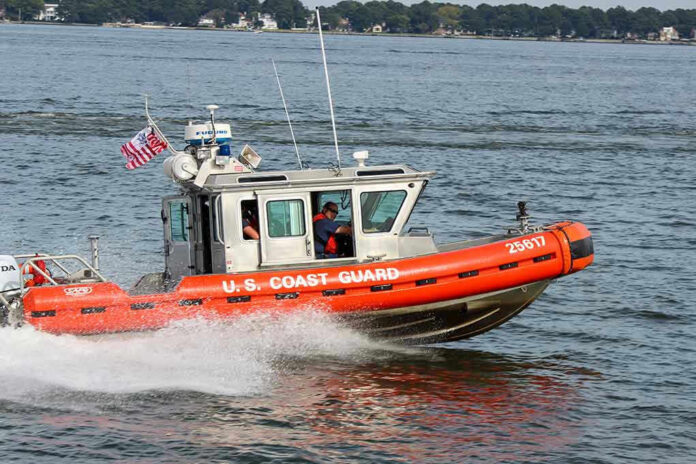
The U.S. Coast Guard’s recent cocaine seizure is a staggering testament to the Trump administration’s renewed focus on border security, enough to theoretically kill the population of three large U.S. states.
At a Glance
- The Coast Guard has seized over 242,000 pounds of cocaine since January 2025.
- This amount represents a doubling of seizures compared to the same period in 2024.
- The seized cocaine could theoretically kill over 91 million people.
- Increased maritime interdictions are linked to heightened land border security.
Unprecedented Seizures Under Trump Administration
The U.S. Coast Guard has seized an astonishing 242,000 pounds of cocaine since President Trump’s return to office in January 2025. This monumental achievement highlights the administration’s focus on securing the borders and curbing the influx of illicit substances into the country. Compared to the previous year, this represents a doubling of seizures, a direct result of the administration’s policy to triple the Coast Guard’s presence along the southern maritime border. The sheer volume of cocaine intercepted could theoretically kill over 91 million people, a chilling reminder of the stakes involved.
The Coast Guard’s efforts have not only disrupted cartel operations but also ensured that these deadly drugs do not reach American communities, a significant win in the fight against drug trafficking.
The Administration’s Bold Strategy
Since Trump’s first day back in office, his administration has prioritized border security, directing significant resources towards maritime interdictions. Cartels, adapting to fortified land borders, have shifted their focus to maritime routes, hoping to exploit perceived vulnerabilities. However, the administration’s strategic emphasis on the Coast Guard has thwarted these plans, leading to record-breaking cocaine seizures. The Department of Homeland Security and the Coast Guard, under new leadership, have been relentless in their mission to secure America’s borders, utilizing advanced technology and interagency cooperation to achieve these results.
This concerted effort is a testament to the administration’s commitment to fulfilling campaign promises of making America safer and holding drug traffickers accountable.
Impact on Cartels and Communities
The impact of these seizures on drug cartels is profound. The loss of hundreds of millions of dollars in potential revenue is a significant blow to their operations. Moreover, the reduction in cocaine availability on U.S. streets has the immediate potential to lower overdose deaths and drug-related violence. This development is a step towards protecting American communities from the scourge of drug addiction and the associated societal ills. However, the fight is far from over. As maritime routes become increasingly risky, cartels are likely to adapt, possibly shifting their focus to other illicit activities such as human smuggling, which carries less severe penalties and potentially higher profits.
The administration’s success in this arena sets a policy precedent, demonstrating the effectiveness of resource surges and interagency cooperation in combating drug trafficking.
Long-term Implications and Future Strategies
While the current achievements are commendable, long-term success will require sustained efforts and adaptability. The administration’s strategy may influence future drug interdiction policies, emphasizing the importance of a holistic approach to border security that addresses both land and sea routes. International cooperation with source and transit countries in the Americas will also be crucial in maintaining pressure on drug trafficking networks. The administration’s success in curbing cocaine smuggling is a significant step forward, but it underscores the need for continued vigilance and innovation in addressing the ever-evolving tactics of drug cartels.
The administration’s commitment to national security and community safety remains steadfast, as evidenced by these unprecedented results.