The Department of Energy just handed ExxonMobil a million barrels of oil straight from our nation’s emergency reserves, all because of a contaminated pipeline — and you might want to ask yourself what, exactly, is being “protected” here: American families, or corporate convenience?
At a Glance
- The Department of Energy is releasing one million barrels of crude oil from the Strategic Petroleum Reserve (SPR) to ExxonMobil’s Baton Rouge refinery.
- The move comes after a contamination scare: Mars crude oil, vital to Gulf Coast refineries, was tainted with zinc from Chevron’s new offshore well.
- Fuel supply in the Gulf Coast is tight, with Canadian wildfires and blocked Venezuelan imports compounding the crunch.
- DOE claims ExxonMobil will return the borrowed oil “with extra,” supposedly at no cost to taxpayers.
Federal Oil Handouts: “Emergency” for Whom?
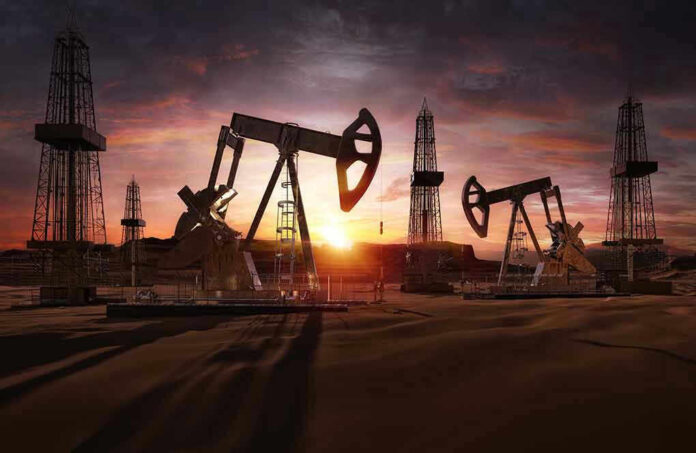
On July 11, the U.S. Department of Energy announced it would release up to one million barrels of crude oil from the Strategic Petroleum Reserve to ExxonMobil’s Baton Rouge refinery. The official line? Zinc contamination in the Mars pipeline, traced to Chevron’s brand-new Ballymore offshore field, forced ExxonMobil to halt purchases of the region’s signature crude. Their massive refinery — one of the country’s biggest — faced a sudden supply gap. With the Biden-era supply squeeze still echoing through the market, the feds decided ExxonMobil’s bottom line couldn’t take a hit, so out comes the emergency oil.
The Mars pipeline, a critical artery for Gulf Coast fuel, suddenly became unusable, and instead of letting the private sector solve its own mess, the government leapt in with taxpayer-owned assets. The DOE insists this is a “temporary exchange.” ExxonMobil borrows the oil, promises to return it (plus a little extra), and taxpayers are supposedly left whole. But with the Strategic Petroleum Reserve already at historic lows thanks to last year’s political releases, the whole thing starts to look less like crisis management and more like a bailout for Big Oil — all while American families are told to tighten their belts.
The Domino Effect: How a Single Pipeline Shakes the Nation
Chevron’s Ballymore field, which started producing in April, introduced zinc into Mars crude. ExxonMobil, not wanting to risk its sprawling Baton Rouge plant, stopped accepting Mars crude altogether. That one move triggered a regional supply panic. The Gulf Coast, still reeling from Canadian wildfires, redirected Canadian crude, and a halt to Venezuelan imports, suddenly found itself squeezed even further. If you want to know how fragile America’s energy security is, look no further than how a single well’s hiccup can put the entire nation’s “emergency” reserves into play for a private company’s mishap.
DOE officials claim this won’t delay their efforts to refill the already-emptied SPR and that the oil will come back with “interest.” But energy market watchers are quick to point out that every time the feds open the reserve for something less than a hurricane or shooting war, they erode its deterrent power and put the nation’s long-term security at risk. How many more “temporary” withdrawals before the emergency cupboard is bare? And why are taxpayers footing the bill for industry mistakes while the price at the pump remains sky-high?
Winners, Losers, and the “Common Good” Shell Game
Local consumers in Louisiana are being told this move “protects” them from fuel shortages and price spikes. On its face, that sounds reasonable. But let’s be honest: the real winner here is ExxonMobil, which gets to keep its refinery humming with public resources, while Chevron and other pipeline players face little public accountability for quality control failures. Meanwhile, the rest of the Gulf Coast — and anyone else banking on reliable, affordable gasoline — is left hoping the next corporate blunder doesn’t tap out the last of America’s rainy-day oil.
Industry analysts say the DOE “had to act” to prevent broader market chaos. But many experts warn that if we keep raiding the SPR for operational goofs, we’re rolling out the red carpet for more corporate carelessness and more federal interventions. The line between true national emergency and industry inconvenience is getting blurrier by the day. The only thing that’s clear is that government overreach — and the willingness to put public assets on the line for private benefit — keeps growing, while ordinary families are told to wait for relief and trust that Washington “knows best.”